October 15, 2025
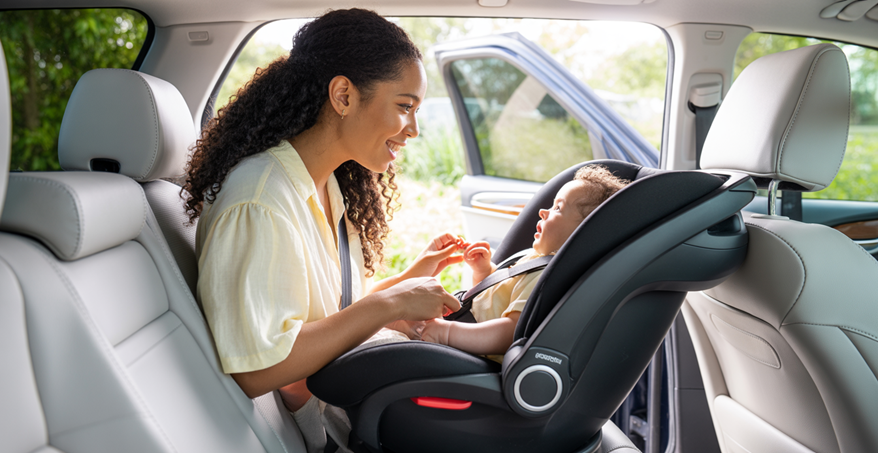
We test compact cars for rear-facing seat fit: space, angle, and LATCH/ISOFIX access. See which 2025 models make family life easier.
Shopping small with a new baby should feel easy, not cramped. This quick guide focuses on what actually matters for rear-facing car seat fit in compact cars in 2025.
Think back-seat space, correct recline angle for infant seats, and simple access to LATCH or ISOFIX anchors. Get these right and school runs feel calm, not chaotic.
What to look for
Focus on second-row geometry. Clear lower anchors close to the seat bight, guides that help connectors click in, a flatter bench to hit the bubble level, and head restraints that remove or tilt. Wider rear doors and a slightly taller roofline make lifting the carrier in and out smoother. These details turn tricky installs into quick, repeatable routines.
LATCH vs seat belt
Use LATCH until you reach the weight limit specified by your child seat or vehicle manual. Then switch to a locked seat belt route. Both methods are equally safe when done correctly. In the United States, rear-facing setups typically do not use the top tether unless your seat allows a special method. Always follow both manuals.
Your dealership test
Set the driver seat where you actually sit. Install your base behind it and confirm the recline indicator is in range. Clip the carrier, close the door, and check for bumps or awkward angles. Sit up front and confirm knee and wheel comfort. Repeat behind the passenger side. If allowed, try the center position with the seat belt. The right compact passes this test without drama.
Why 2025 compacts help
Many models stretch wheelbase a touch, sculpt front seatbacks for knee room, label anchors with bright tags, and add small funnels that guide connectors. Rear vents, USB ports, and soft-touch door tops add comfort for parents while buckling in. These small upgrades cut install time and reduce errors.
Common pain points
Deep or forward-set anchors, sloped cushions that fight the recline angle, center spots without dedicated LATCH, and fixed headrests can complicate installs. None are deal breakers if you know them ahead of time. Bring your actual infant seat and base to verify fit.
Here are concrete, up-to-date car suggestions you can drop into your article to help families who care most about rear-facing car-seat room and easy LATCH access.
Family-Friendly Compacts to Put on Your Shortlist (2025)
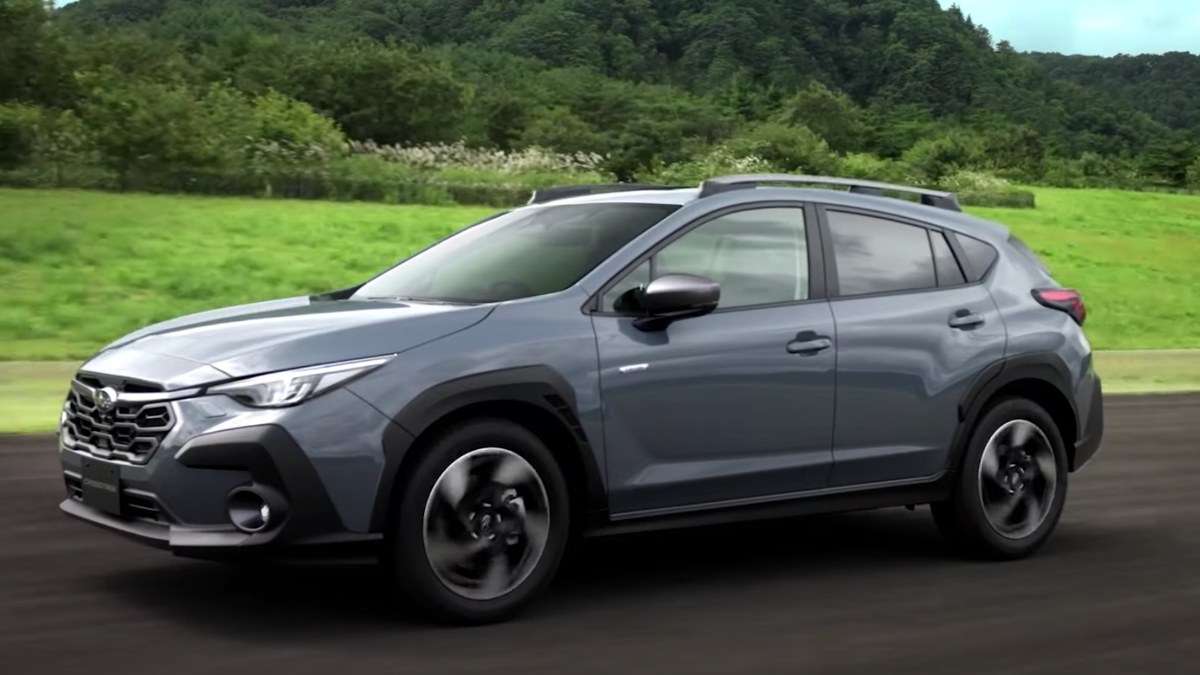
Subaru Crosstrek (2024–2025) – The compact that just “works” with seats
-
Why it stands out: Cars.com gave the Crosstrek straight A grades for LATCH, infant seat, and rear-facing convertible fit thanks to easy-access anchors and generous back-seat legroom. IIHS also rates its LATCH hardware Good for ease of use.
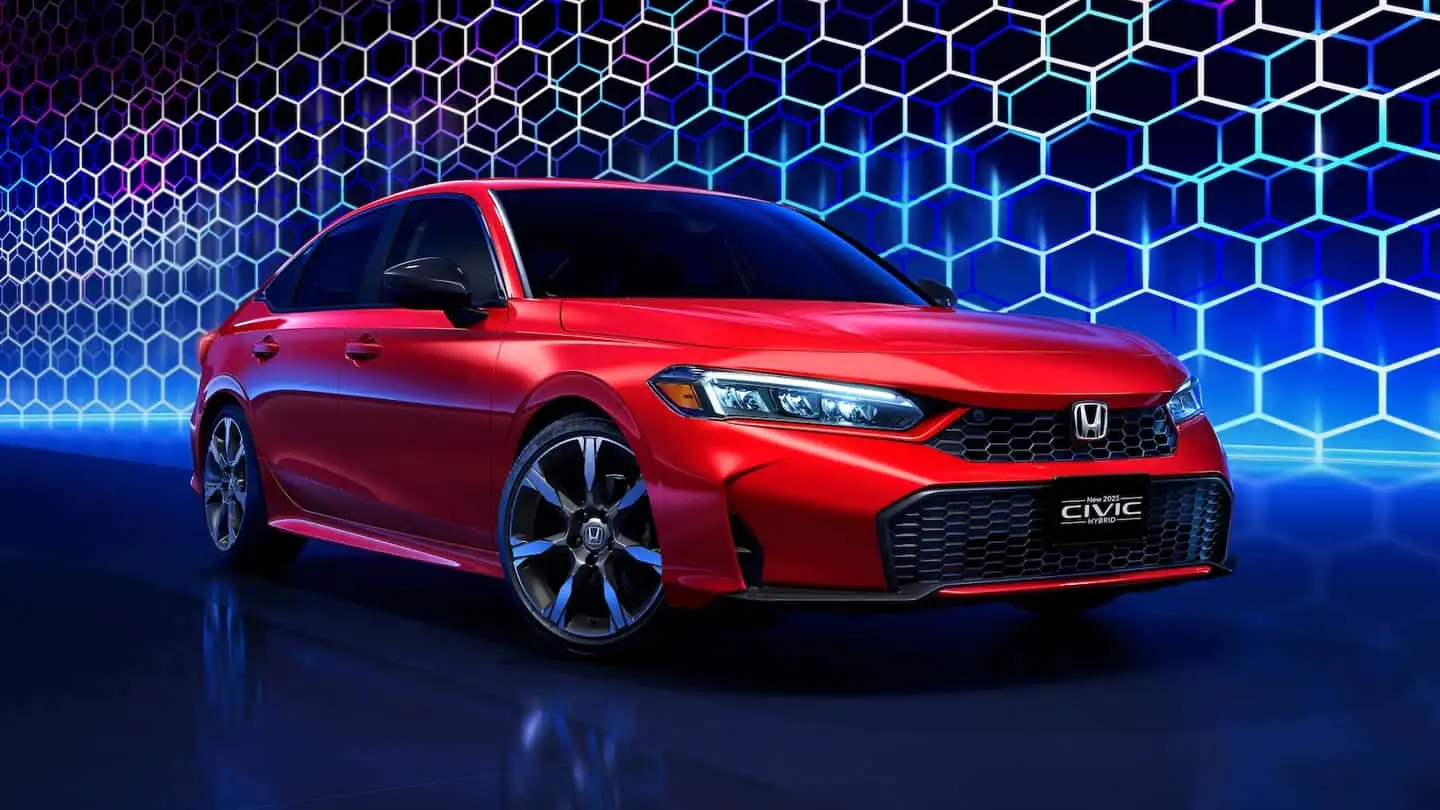
Honda Civic (Sedan, 2022–2025) – Great rear-facing fit; pick the sedan for better anchors
-
Why it stands out: In Cars.com’s check, the Civic sedan earned A grades for infant and rear-facing convertible, with accessible anchors. IIHS rates the Civic sedan Good for LATCH ease of use. (Note: the hatchback gets a Marginal LATCH rating, so families who prioritize anchor access should choose the sedan.)
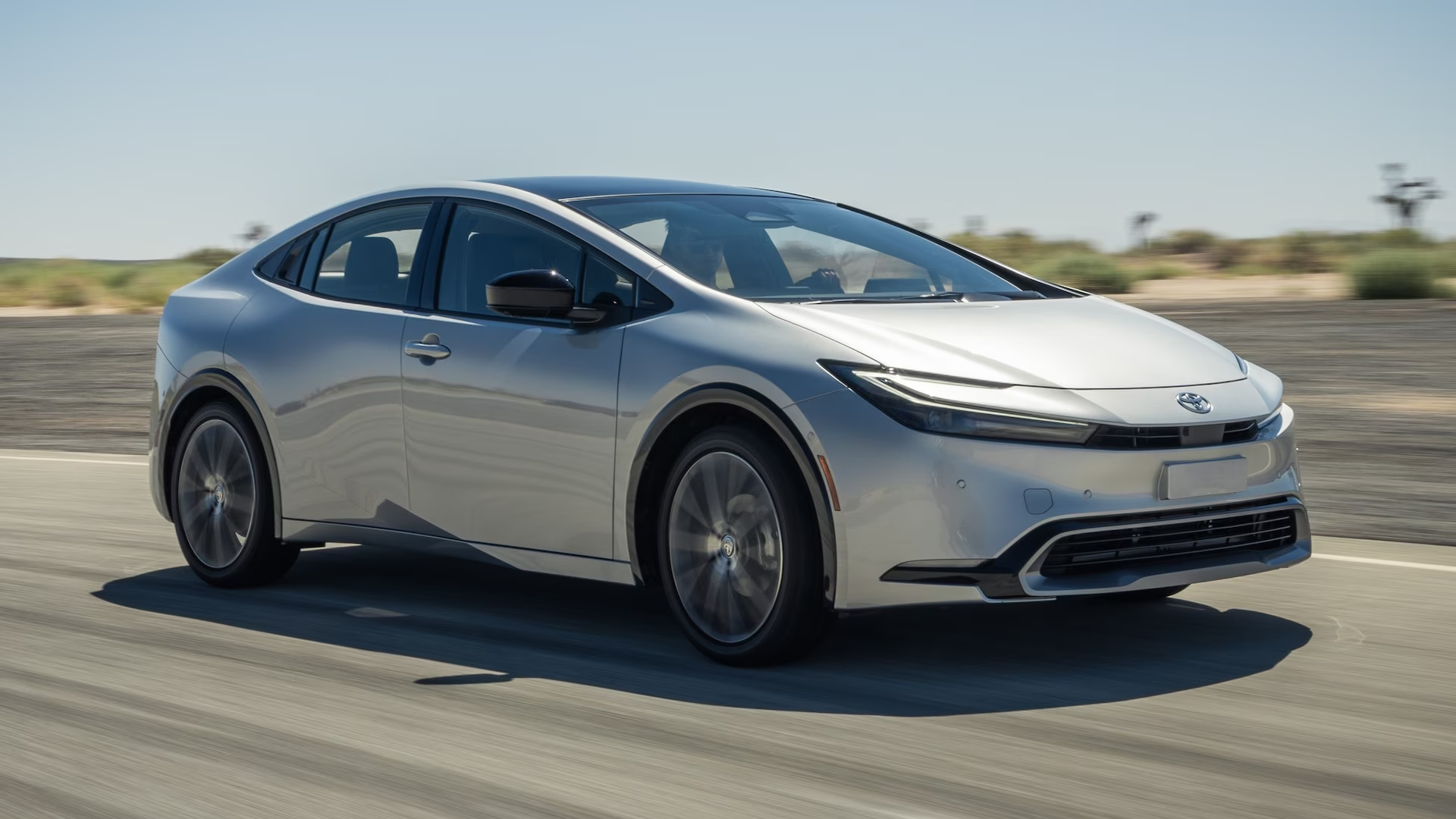
Toyota Prius (2025) – Efficient, with solid LATCH; rear-facing fit is OK but not roomy
-
Why it stands out: Cars.com scored the Prius A for LATCH and B for both infant and rear-facing convertible (taller front passengers may feel the pinch). IIHS rates its LATCH setup Good.
Toyota Corolla (Sedan/Hybrid, 2024–2025) – Easy LATCH access; rear-facing fit is workable

-
Why it stands out: Cars.com gave the Corolla Hybrid A for LATCH and B for infant/rear-facing due to some front-legroom impact; IIHS rates the Corolla’s LATCH Good. If you’re tall up front, test-fit.
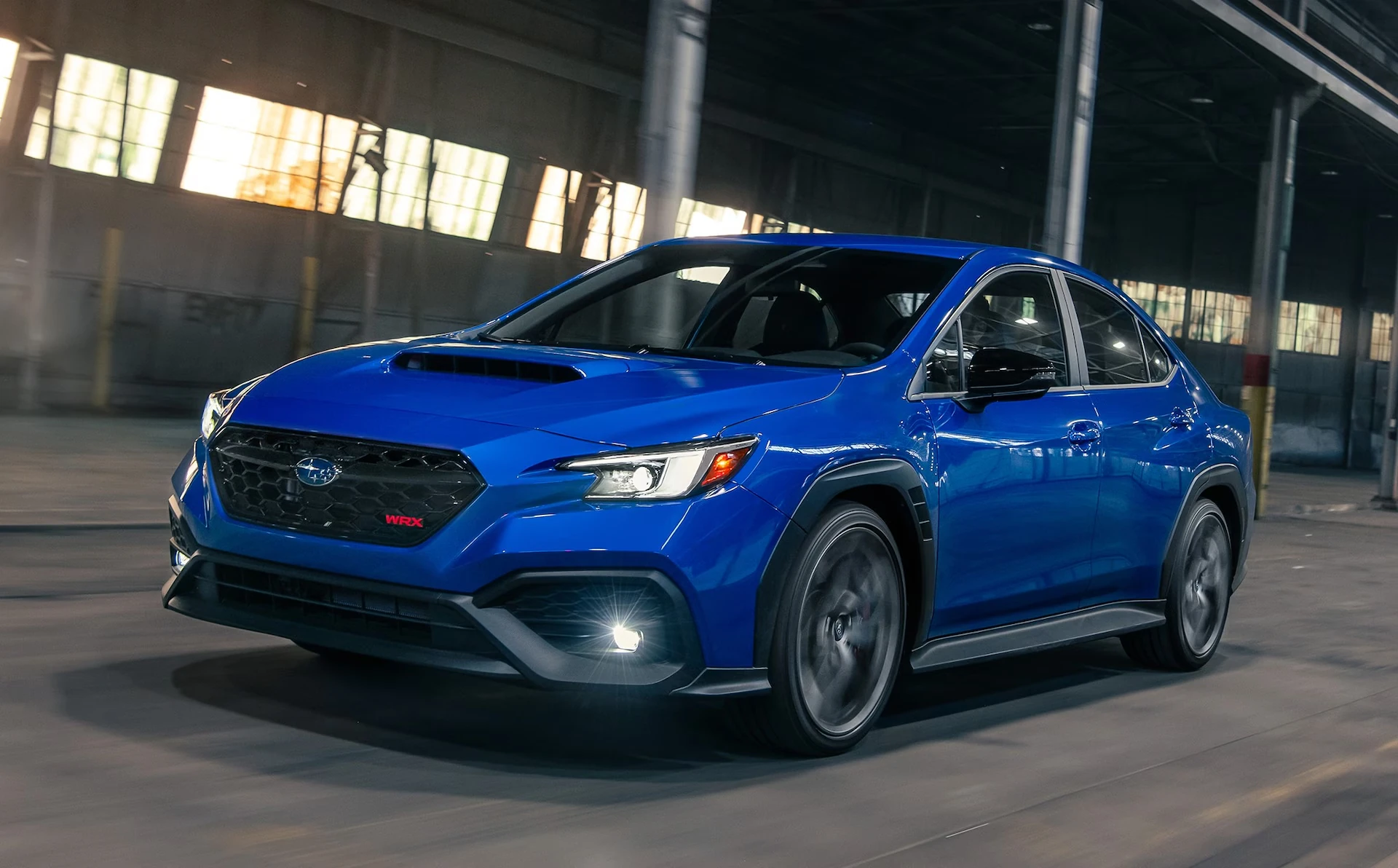
Subaru Impreza (2024–2025) – Roomier rear bench than many rivals
-
Why it stands out: IIHS rates its LATCH hardware Good, and Cars.com’s review notes the Impreza’s back seat is roomier and more comfortable than a Mazda3’s, which helps with rear-facing installs.
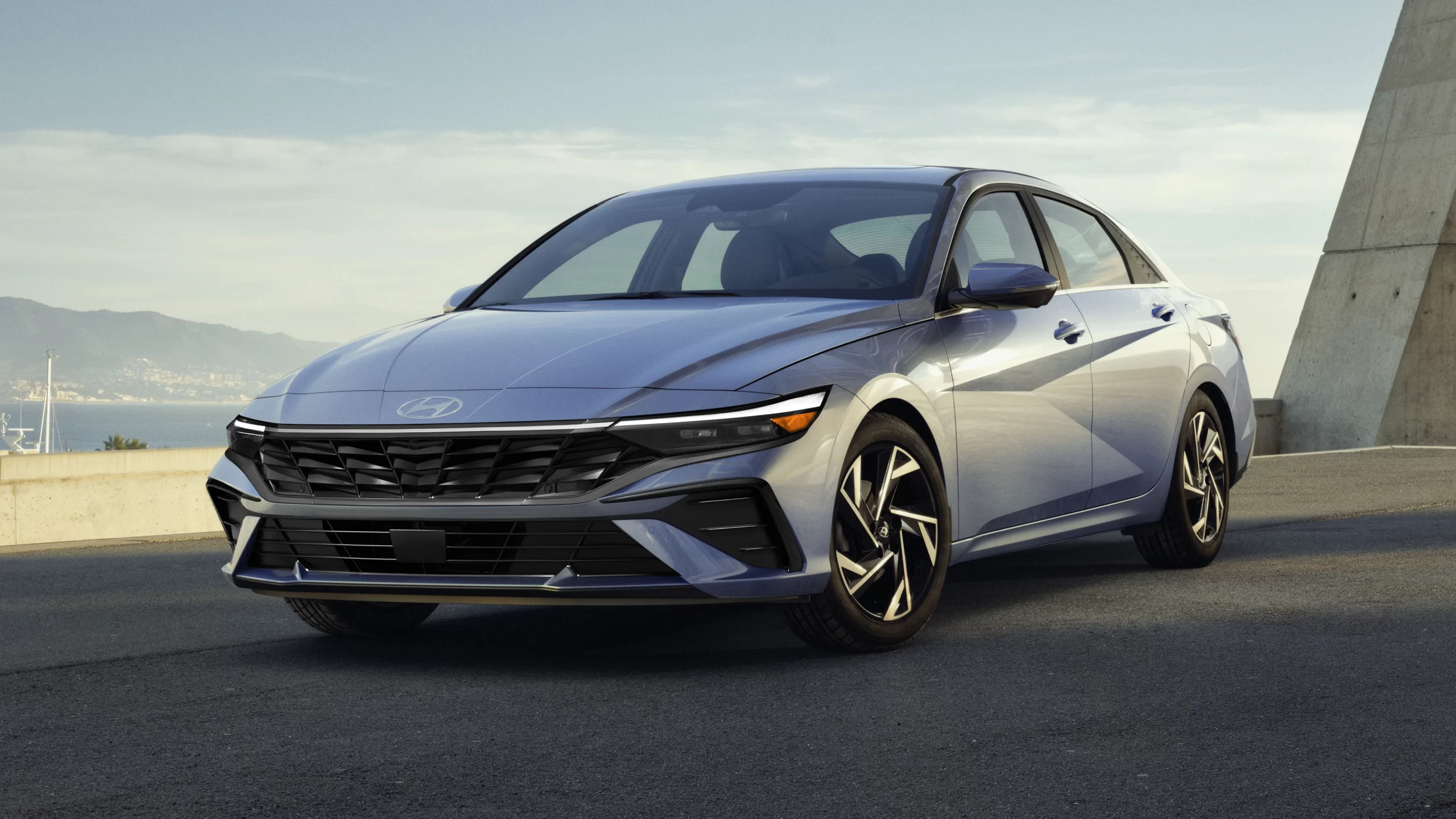
Hyundai Elantra (2021–2025) – Value play with decent scores
-
Why it stands out: IIHS rates LATCH Acceptable; Cars.com’s (current-gen) Elantra car-seat check landed mostly B grades across categories. Good budget pick, but others above make installs a bit easier.
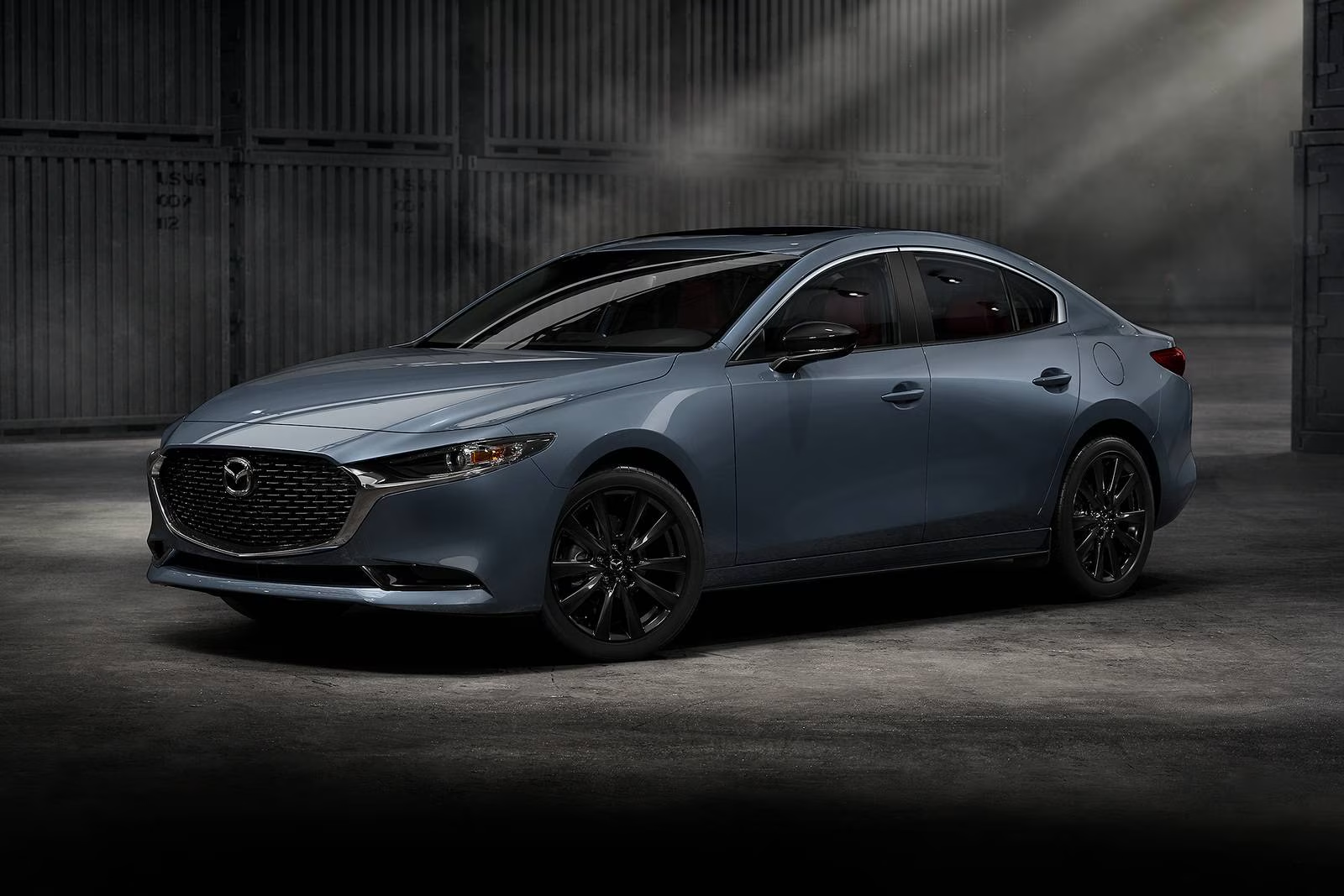
Mazda3 (2023–2025) – Great LATCH hardware; cabin is tighter
-
Why it stands out: IIHS rates LATCH Good, but the back seat is on the snug side versus key rivals (Cars.com calls the Mazda3 back seat “more confining” than the Impreza’s). If you love the Mazda, pair it with a slim seat (e.g., Britax One4Life Slim) to save front-to-back space.
The Bottom line
You do not need a large SUV for an easy, safe rear-facing install. The most family-friendly compact cars in 2025 deliver real back-seat space, clean LATCH or ISOFIX access, and interior shapes that respect the infant seat’s recline. Trust the bubble level, test your own seat, and choose the cabin that keeps both the front passenger and your rear-facing traveler comfortable.