October 29, 2025
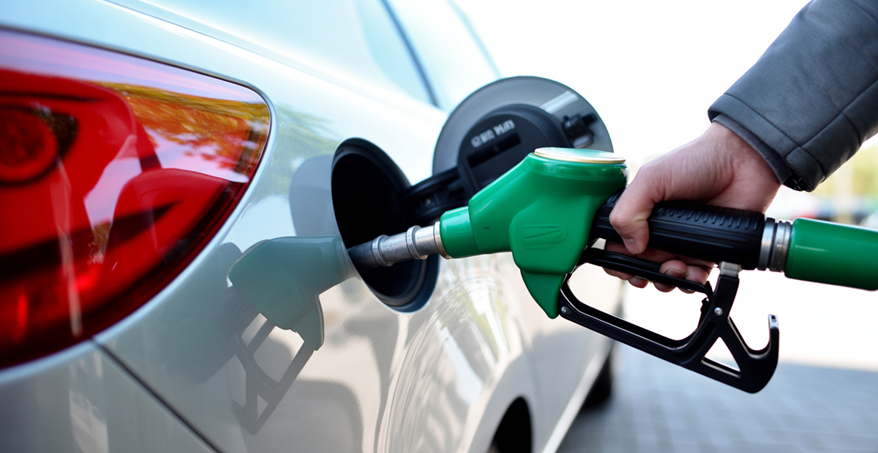
Regular or premium gas? Learn when higher octane truly pays off for performance and engine protection.
Thinking about filling up with premium gas for extra performance or better mpg? Sometimes it makes real sense. Other times it just drains your wallet.
This guide breaks down octane, turbo engine behavior, knock protection, and price math so you know exactly when higher octane truly pays off.
Octane 101: What it really means
Octane measures a fuel’s resistance to engine knock, also called pinging. Knock is an uncontrolled mini explosion in the cylinder that can hurt performance and, in severe cases, damage parts. Higher octane resists knock better. That does not mean more energy in the fuel or guaranteed higher mpg. It simply allows the engine to run the timing and boost it was designed to run without pulling back power.
Start with the owner’s manual
Open the fuel section and look for two key words:
-
Required premium: Use the listed octane every time. Running lower octane can cause the engine to reduce power and may risk long term damage under heavy load.
-
Recommended premium: The car will run on regular, but may deliver more performance or slightly better efficiency on premium. You get to decide based on cost per mile and how the car feels.
Tip: The fuel door often repeats the same message. If it says “Premium Only” or lists a minimum AKI number like 91, treat it as required.
Turbo engines, high compression, and why octane matters
Modern turbo engines and high compression direct injection engines make great power from small displacement. They rely on precise spark timing and boost. If the computer detects knock, it retards timing or reduces boost to protect the engine. On premium, these engines can often hold ideal timing longer, which means stronger acceleration and a smoother pull, especially in hot weather, during hard merges, while towing, or on long uphill grades.
What you might feel:
-
Sharper throttle response when accelerating from 30 to 60 mph
-
Less hesitation on hot days and under heavy load
-
Occasionally a small uptick in mpg if the engine can keep its optimal timing
The price vs mpg decision: do the quick math
Premium often costs more than regular. To know if it pays, compare cost per mile.
Formula
Cost per mile = Price per gallon divided by mpg
Example
-
Regular: 30 mpg at 3.60 dollars per gallon gives 12.0 cents per mile
-
Premium: 31 mpg at 3.95 dollars per gallon gives 12.7 cents per mile
Even with a 1 mpg improvement, premium costs more per mile in this example. For premium to break even, your mpg gain must roughly match the percentage price increase. If premium is 10 percent more expensive, you would need about 10 percent better mpg to come out even. Most drivers see little to no mpg increase unless the car specifically benefits from higher octane.
When upgrading to premium truly makes sense
Use these green light scenarios to justify the upgrade:
-
Your manual says premium is required. Non negotiable.
-
Premium is recommended and you drive a turbo engine hard. Frequent highway merges, mountain trips, towing, or hot climates often see real gains in smoothness and power.
-
You feel persistent pinging under load on regular. If you hear light metallic rattling during acceleration, step up in octane and monitor.
-
You want maximum performance. Track days or spirited canyon drives are classic use cases where premium protects the engine and sustains peak output.
-
Price gap is small or there is a promotion. If the difference at your station is only a few cents, premium can be an easy win for performance with minimal cost impact.
When regular gas is perfectly fine
Stick with regular if the manual lists regular as the required fuel and you do not experience knock, hot weather power fade, or heavy load use. For many naturally aspirated engines and some modern turbos tuned for regular, there is no measurable advantage in day to day commuting.
How to test it like a pro
Run a simple two tank A/B test.
-
Reset trip A and average mpg on regular. Drive your usual route for one full tank. Record mpg and any notes about performance.
-
Switch to premium. Repeat the same driving for a full tank. Record mpg and notes.
-
Compare cost per mile, not just mpg. Also consider feel, noise, and acceleration. If the premium tank gives you clearly better drivability or lower cost per mile, the upgrade is justified.
Keep variables steady. Same station family if possible, similar traffic patterns, similar weather.
Common myths, cleared up
-
Premium has more energy. False. Octane is knock resistance, not energy content.
-
Using premium in a car that takes regular cleans the engine. Not automatically. Detergent package matters more. Look for Top Tier gasoline for consistent deposit control.
-
Mixing regular and premium hurts the car. Safe in a pinch. The octane will average out.
-
Regular in a premium required engine is fine because computers adapt. They do adapt, but by cutting power and sometimes fuel economy. Under heavy load this can risk damage. Follow the manual.
-
Higher octane always means higher mpg. Only if the engine was knock limited on regular. Many are not during relaxed commuting.
Bottom line
Regular vs premium gas is not a status choice, it is an engineering match. Use what the owner’s manual requires. If premium is recommended, let your turbo engine, your routes, your climate, and your wallet decide. Run the numbers, listen for knock, and pay attention to how the car pulls under load. When higher octane lets the engine hold ideal timing, you get smoother performance and sometimes better mpg. When it does not, regular gas is the smarter buy.