November 18, 2025
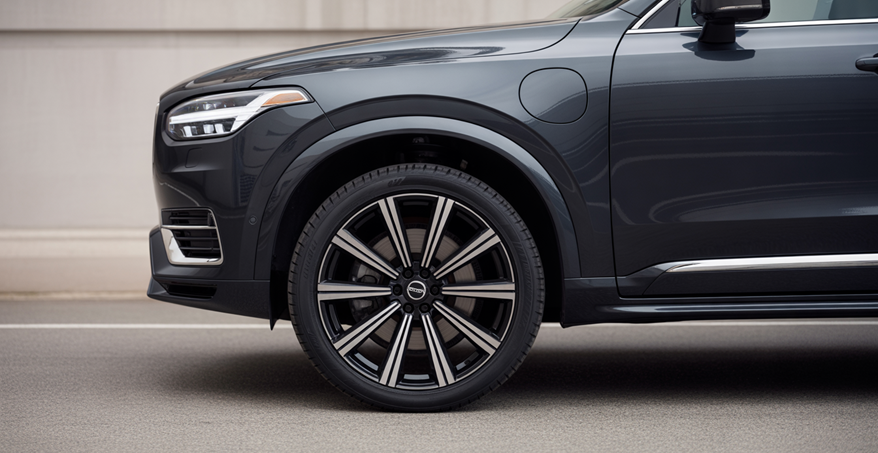
Considering 20″ wheels? Learn the real impact on ride comfort, MPG and long-term tire costs before upgrading.
Thinking about upgrading to 20 inch wheels to give your car a more aggressive, premium look? Bigger rims can completely change the way your vehicle looks and feels. But they also affect ride comfort, fuel economy and long term tire costs.
Before you hit “buy now” on that wheel and tire package, it is smart to understand the real world cost of a wheel size upgrade. Let’s break it down in simple, practical terms so you can decide if 20 inch wheels are worth it for you.
What Actually Changes When You Go To 20″ Wheels?
When people move to 20 inch wheels, they are usually doing a “plus size” setup. That means:
-
Larger diameter wheel
-
Lower profile tire (shorter sidewall)
-
Similar overall height so the speedometer stays close to accurate
On paper, it might not look like a big change. In reality, it affects several things at once:
-
Unsprung weight
Wheels and tires are part of what is called unsprung weight. Heavier wheels take more energy to spin and stop, which can hurt acceleration and fuel economy. -
Tire sidewall height
The sidewall is the “cushion” between the wheel and the road. Lower profile tires have less cushion, which changes ride comfort. -
Tire width and compound
Many 20 inch setups use wider, grippier tires. That is great for handling, but not always great for MPG.
These three factors work together and explain most of the changes you will feel in ride quality and fuel economy.
How 20″ Wheels Affect Ride Comfort
For many drivers, ride comfort is the first thing they notice after installing big rims.
What You Will Likely Feel
With 20 inch wheels and lower profile tires, expect:
-
A firmer, stiffer ride
Less sidewall means less flex. Your suspension has to work harder, and bumps are transmitted more directly into the cabin. -
More impact over potholes and rough roads
That cushion of rubber gets thinner. Hitting potholes, expansion joints and broken pavement feels sharper and more sudden. -
More road noise in some cases
Certain 20 inch tire models can be noisier, especially high performance or very wide tires. -
Better steering response
On the positive side, the car often feels more precise. Turn the wheel and the response is quicker and more direct. Some people love this “sportier” feel.
If your daily drive is mostly smooth highways, you might find the change acceptable or even enjoyable. If you drive on rough city streets with lots of potholes, the ride comfort tradeoff will be much more noticeable.
Risk of Damage
With big rims and thin sidewalls, there is less rubber to protect the wheel:
-
Curb hits are more likely to scratch or bend a 20 inch wheel.
-
Strong impacts can cause bent rims, bubbles in the tire sidewall or blowouts.
That means potential extra repair or replacement costs over time, especially in areas with poor road conditions.
MPG Impact: How Much Fuel Economy Loss To Expect?
One of the top questions people search is something like “20 inch wheels cost mpg ride quality.” So let’s talk specifically about fuel economy loss.
Upgrading from a smaller factory wheel to 20 inch wheels can reduce your MPG, sometimes only slightly, sometimes more noticeably. How much depends on:
-
Weight of the new wheel and tire
Heavier combinations require more energy to get rolling, which can lower city MPG in particular. -
Width and tread pattern
Wider, stickier tires increase rolling resistance and aerodynamic drag. That is great for grip, not so great for fuel economy. -
Overall diameter changes
If the overall diameter changes too much, it can throw off the speedometer and gearing feel, which indirectly affects MPG.
A Realistic Fuel Economy Range
Every car and setup is different, but for many common upgrades, drivers report:
-
Small changes of about 1 MPG loss when the 20 inch setup is carefully chosen to be light and close to factory specs.
-
More typical losses of around 1 to 3 MPG when the wheels are heavier and the tires are wider and more aggressive.
To put that into perspective:
-
Suppose your car gets 30 MPG with the stock wheels.
-
After switching to 20 inch wheels and tires, imagine it drops to 28 MPG.
If you drive 15,000 miles per year:
-
At 30 MPG, you use about 500 gallons of fuel per year.
-
At 28 MPG, you use about 536 gallons per year.
That is roughly 36 extra gallons of fuel every year. If gas is around 3.75 dollars per gallon, that is about 130 dollars more per year just in fuel.
It will not break the bank for everyone, but it is a real cost that adds up over the years.
Tire Cost: The Big Rims Tire Cost Most People Forget
Beyond MPG and ride comfort, one of the biggest long term factors is simple: tire price.
Tires for 20 inch wheels are usually more expensive than tires for 16, 17 or 18 inch wheels. You are paying for:
-
Larger size
-
Often higher speed ratings
-
More specialized performance options
What To Expect On Price
Exact prices depend on brand and type, but generally:
-
A quality all season tire for a smaller wheel might be significantly cheaper per tire.
-
A comparable quality all season for a 20 inch wheel can easily cost considerably more per tire.
Multiply that by four tires and by the number of times you will replace them over the life of the car, and the cost difference can easily reach hundreds or even thousands of dollars over time.
Other Long Term Costs
-
Alignment and balancing become even more important. A poor alignment can chew through expensive 20 inch tires quickly.
-
Higher risk of damage means you might replace tires earlier due to bubbles or sidewall damage.
-
If you live in snow country, you might also buy a second set of smaller winter wheels and tires for better traction and to protect the 20s.
All of that should be part of your wheel size upgrade decision.
Pros And Cons Of 20″ Wheels At A Glance
Here is a quick summary to help you see the tradeoffs.
Pros
-
More aggressive, upscale appearance
-
Sharper steering and more responsive handling
-
Better performance tire options in many sizes
-
Can improve braking feel with wider, grippier rubber
Cons
-
Firmer ride, less comfort over bumps and potholes
-
Likely fuel economy loss due to extra weight and rolling resistance
-
Higher tire replacement cost
-
Greater risk of wheel and tire damage on rough roads
-
Possible extra noise depending on the tire model
Upgrading to 20 inch wheels does more than change how your car looks. It affects ride quality, fuel economy and the big rims tire cost you will pay every time you need new rubber.
If you go in with clear eyes about fuel economy loss, ride comfort changes and long t