January 6, 2026
Learn how cold weather affects EV range and discover practical ways to minimize range loss during winter driving in 2026.
Electric vehicles are more popular than ever in the United States, but winter still raises an important question for many drivers: how much range do EVs really lose in cold weather? In 2025, technology has improved, yet cold temperatures continue to affect battery performance. The good news is that with the right knowledge and habits, you can significantly reduce winter range loss and drive with confidence all season long.
This guide explains what really happens to EV range in cold weather and shows practical ways to minimize the impact.
How cold weather affects EV range
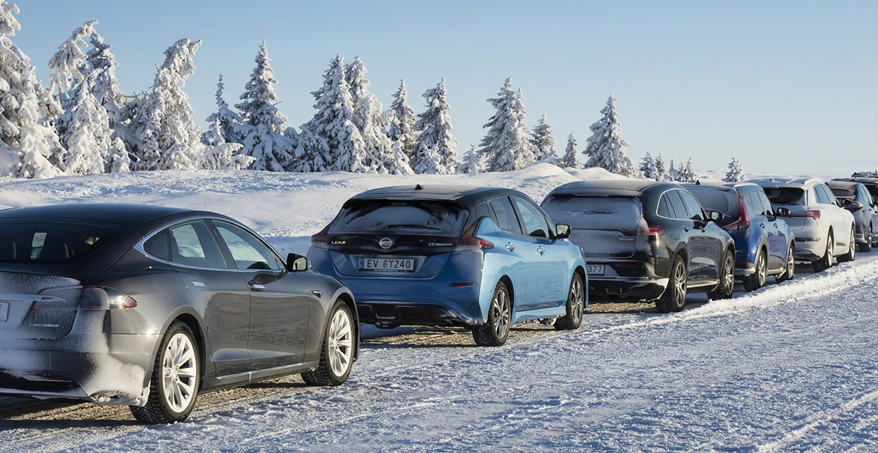
Cold temperatures slow down the chemical reactions inside lithium-ion batteries. As a result, the battery delivers energy less efficiently, which reduces driving range. In real-world winter conditions, EV range loss typically falls between 15% and 30%, depending on temperature, driving habits, and vehicle design.
Another major factor is cabin heating. Unlike gas cars that use waste heat from the engine, EVs rely on battery power to warm the cabin. Heating, defrosting, and seat warmers all draw energy directly from the battery, further reducing range.
Winter EV performance in real life
Short trips in cold weather are especially demanding for EVs. When the battery starts cold, the car uses extra energy to warm it to an optimal operating temperature. This means range loss can feel more noticeable during city driving and short commutes.
Highway driving in winter can also reduce range due to cold air resistance and higher energy demand at steady speeds. Wind, snow, and winter tires add even more load.
Battery thermal management makes a difference
Modern EVs in 2025 are better equipped to handle cold climates thanks to advanced battery thermal management systems. These systems actively heat the battery to maintain efficiency and protect long-term battery health.
Vehicles with heat pumps tend to perform better in winter, as heat pumps use less energy than traditional electric heaters. This can translate into several extra miles of usable range on cold days.
Practical tips to minimize EV range loss in winter
Start by preconditioning your EV while it is plugged in. Warming the cabin and battery before driving uses grid power instead of battery energy, preserving range.
Drive smoothly and avoid aggressive acceleration. Cold batteries respond best to gentle inputs, and efficient driving pays off more in winter.
Use seat and steering wheel heaters instead of blasting cabin heat. These features consume less energy and keep you comfortable.
Keep tires properly inflated, as cold air lowers tire pressure and increases rolling resistance. If possible, park in a garage to keep the battery warmer overnight.
Finally, plan charging stops with extra margin during winter trips. A little buffer reduces stress and makes cold-weather driving far more enjoyable.
What to expect from EVs in cold climates going forward
While winter range loss has not disappeared, it is far more manageable than it was a few years ago. Battery chemistry, software updates, and thermal management continue to improve, making EVs increasingly practical in cold regions across the US.
Cold weather does reduce EV range, but it does not have to limit your driving experience. By understanding how winter affects performance and applying smart habits, you can minimize range loss and get the most out of your EV in 2025.
With the right preparation, electric vehicles remain a reliable, efficient, and cost-effective choice, even when temperatures drop.