February 9, 2026
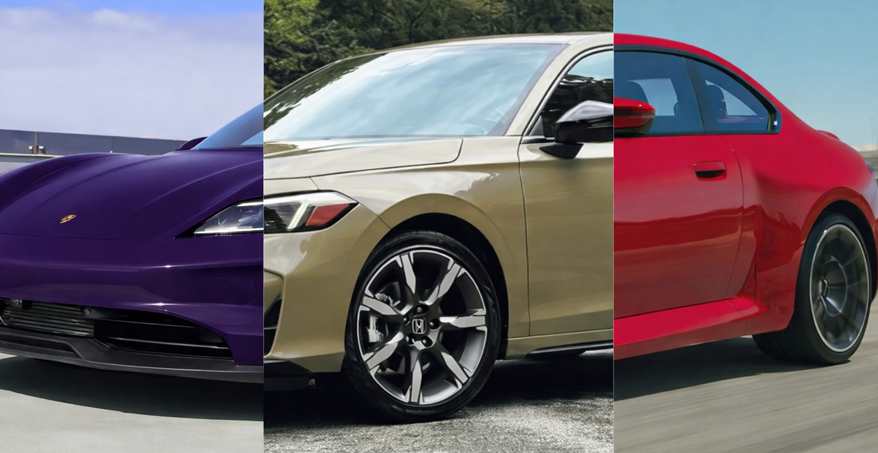
Color is reshaping modern vehicles and influencing buying decisions
For years, roads across the United States have been dominated by neutral car shades like black, white, and gray. While these tones remain popular, a noticeable shift is happening across the automotive industry. Color is returning to vehicle design in a big way, bringing personality, emotion, and stronger brand identity to modern cars.
This evolution is not just aesthetic. It reflects deeper changes in consumer behavior, technology, and the competitive landscape of the automotive market.
Neutral Tones Still Lead, But Change Is Coming
Neutral shades continue to dominate global vehicle sales, with gray recently overtaking black as the most popular color worldwide. For decades, silver, white, black, and gray have been safe choices for both manufacturers and buyers. They offer strong resale value and broad market appeal.
However, automakers are beginning to reintroduce bold colors and distinctive finishes. Bright blues, deep greens, rich reds, and unique metallic tones are appearing more frequently in new vehicle lineups. This shift reflects growing demand for personalization and visual differentiation.
Consumers increasingly want vehicles that express individuality rather than blending into traffic. Color has become a simple yet powerful way to stand out.
Why Color Matters More Than Ever
Color is often the first feature people notice when they see a vehicle. It creates emotional impact and shapes perception long before someone steps inside. Automakers understand that visual appeal can directly influence purchasing decisions.
In a crowded market filled with similar vehicle shapes and features, color helps brands establish identity. A distinctive shade can become strongly associated with a specific model or manufacturer. This emotional connection can drive loyalty and boost recognition.
The importance of color is particularly strong in emerging markets and among younger buyers. These consumers tend to prioritize self expression and design over traditional considerations.
Electric Vehicles Are Driving Design Innovation
The rise of electric vehicles is accelerating the return of color. As powertrain technology becomes more standardized, design elements such as exterior finishes, materials, and user experience play a larger role in differentiating vehicles.
Electric vehicles often emphasize futuristic styling and innovative surfaces. Color becomes a key tool for communicating modernity, sustainability, and technological advancement. Unique finishes, layered paint effects, and special pigments can enhance the visual impact of these models.
Manufacturers are using color strategically to highlight new vehicle architectures and design philosophies. This approach helps them stand out in a rapidly evolving market.
How Automotive Colors Are Developed
Creating a new automotive color is a complex process that combines design creativity with technical precision. Development often begins years before a vehicle reaches production. Designers and engineers collaborate to ensure that a color not only looks appealing but can also be manufactured consistently at scale.
Factors such as lighting conditions, vehicle shape, environmental regulations, durability, and repairability all influence the final result. Even small adjustments in pigment or layering can significantly change how a color appears on the road.
Digital tools now allow designers to simulate colors on virtual vehicle models, speeding up decision making and ensuring accuracy before production begins.
The Emotional Power Of Color In Car Buying
Cars are not purely functional purchases. They are emotional investments. Buyers want vehicles that reflect their personality and lifestyle. Color plays a central role in that decision.
As competition intensifies and vehicle technology becomes more similar across brands, emotional design elements gain importance. Color helps transform a car from a simple mode of transportation into a personal statement.
Expect to see more vibrant options, innovative finishes, and customizable palettes in upcoming model releases. The era of uniform automotive colors is fading, replaced by a renewed focus on expression, identity, and visual impact.