October 10, 2025
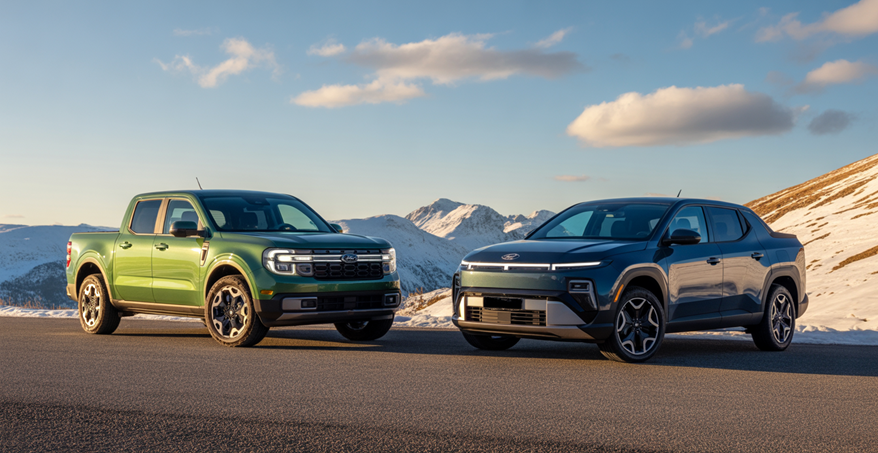
We compare Maverick vs. Santa Cruz after 36 months—maintenance, insurance, fuel, and depreciation—to reveal the cheaper mini-truck to own.
The quick verdict
If your top goal is the lowest cost to own over three years, the Ford Maverick Hybrid typically wins for most drivers in the United States. Its standout fuel economy and strong resale potential tend to outweigh the Hyundai Santa Cruz in a pure cost-of-ownership matchup.
That said, if you value turbocharged power and higher tow ratings more than savings at the pump, the Hyundai Santa Cruz 2.5T can be the better fit for your lifestyle, even if it costs a bit more to keep on the road.
How we framed this comparison
To make the numbers meaningful for everyday shoppers, the examples below use a clear, repeatable method:
-
Time horizon: 36 months
-
Mileage: 12,000 miles per year, 36,000 total
-
Gas price assumption: 3.80 dollars per gallon national average placeholder
-
Models compared: Maverick Hybrid and EcoBoost as context, plus Santa Cruz 2.5L and 2.5T trims
-
What we add up: fuel, routine maintenance, typical insurance, and depreciation
-
Important note: your ZIP code, driving profile, trim, and options will change the math. Use these as practical starting points, not one-size-fits-all promises.
Fuel costs after 36 months
Fuel is where the Maverick can deliver outsized savings, especially in Hybrid form.
Illustrative example, 36,000 miles total:
-
Maverick Hybrid at 37 mpg uses about 973 gallons in three years, roughly 3,700 dollars at 3.80 per gallon.
-
Santa Cruz at 23 mpg uses about 1,565 gallons, roughly 5,950 dollars.
-
Fuel gap: about 2,250 dollars in favor of the Maverick Hybrid.
Prefer all-wheel drive power over hybrid efficiency? Compare gas-only versions:
-
Maverick EcoBoost at 26 mpg lands near 5,260 dollars for fuel.
-
Santa Cruz at 23 mpg lands near 5,950 dollars.
-
Fuel gap: about 690 dollars in favor of the Maverick EcoBoost.
What this means: The Maverick Hybrid can shave thousands off your fuel bill in three years. Even apples-to-apples gas versions often tilt slightly toward the Maverick.
Insurance expectations
Insurance premiums vary widely by driver age, record, ZIP code, credit tier, and garaging. For compact pickups like these, many shoppers see roughly similar annual premiums when trims are equipped with modern safety tech.
Performance-oriented or turbocharged configurations can nudge rates higher. For planning purposes, budget a middle-of-the-road figure and get real quotes for both trucks using the same coverages and deductibles. Over three years, a realistic placeholder such as 1,600 dollars per year for either truck equals 4,800 dollars total. Your actual number could be lower or higher.
Maintenance and warranty comfort
Routine maintenance for both trucks is generally straightforward during the first 36 months. Expect oil changes, tire rotations, cabin filters, and brake inspections. Hybrids often see reduced brake wear thanks to regenerative braking. Hyundai provides long-haul confidence with an industry-leading powertrain warranty for original owners, while Ford counters with broad nationwide dealer coverage and easy parts availability. As a planning placeholder, using about 600 dollars total for routine maintenance over three years is reasonable for either truck when you follow the owner’s manual.
Depreciation after 36 months
Depreciation is usually the biggest single ownership cost. Compact pickups have been strong on resale compared to many sedans and crossovers. The Maverick has enjoyed robust demand since launch, which can help resale value. The Santa Cruz is niche and stylish, with loyal buyers, though turbo trims may experience different depreciation patterns.
Illustrative example only:
On a 30,000 dollar purchase price, if the Maverick retains 70 percent of value at month 36 and the Santa Cruz retains 64 percent, then:
-
Maverick depreciation would be about 9,000 dollars
-
Santa Cruz depreciation would be about 10,800 dollars
-
Depreciation gap: about 1,800 dollars favoring the Maverick
Your mileage may vary based on options, incentives, supply conditions, regional demand, and how well you maintain the vehicle.
Total cost snapshot at 36 months
To visualize how the big buckets stack up, here is a simple, apples-to-apples example using the placeholders above.
Scenario A – Value seeker focused on fuel savings
-
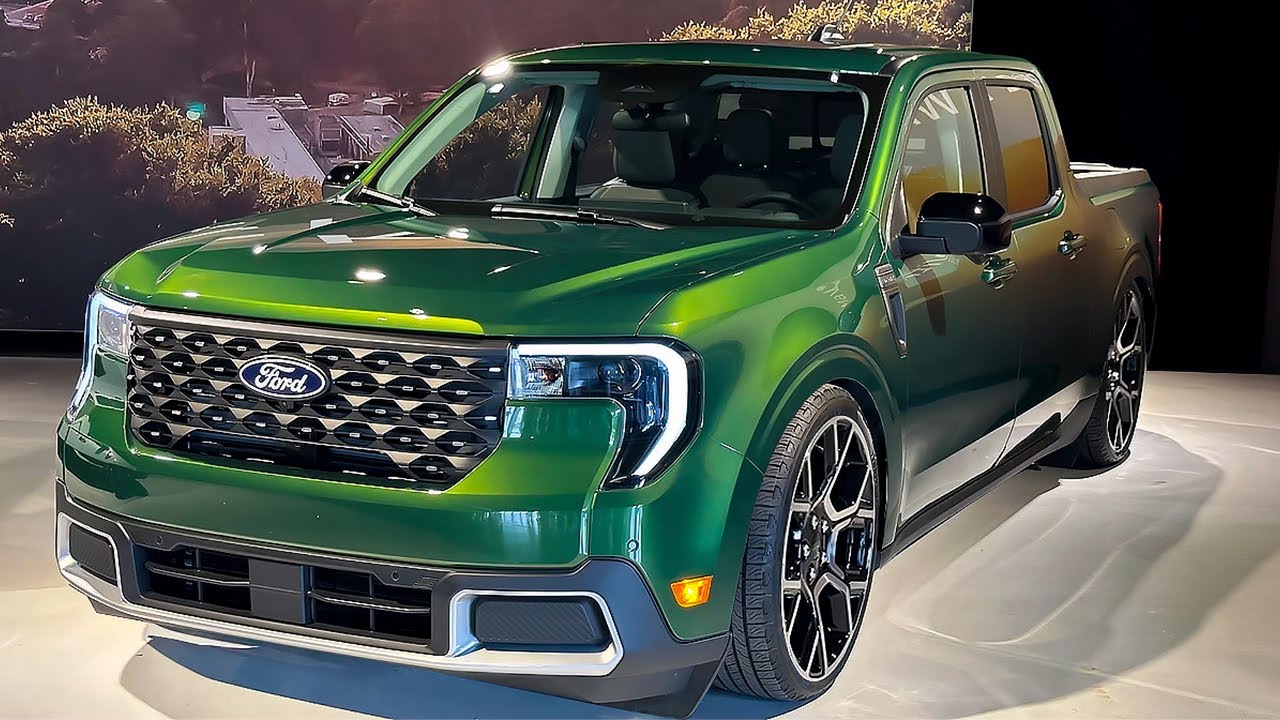
Truck: Maverick Hybrid
-
Fuel: about 3,700 dollars
-
Insurance: about 4,800 dollars
-
Maintenance: about 600 dollars
-
Depreciation: about 9,000 dollars
-
Estimated 36-month total: about 18,100 dollars
Scenario B – Turbo power and premium features
-
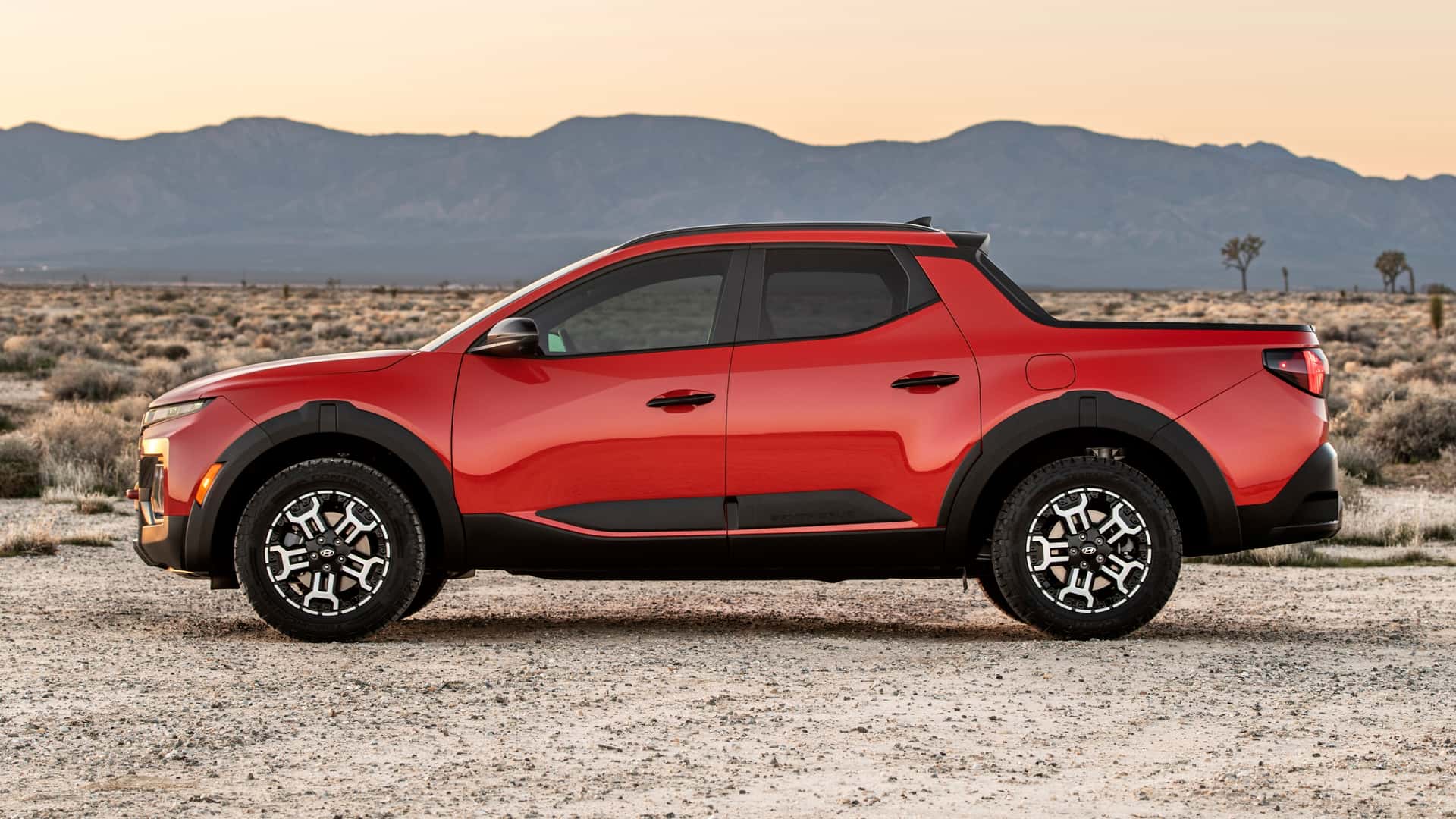
Truck: Santa Cruz 2.5T
-
Fuel: about 5,950 dollars
-
Insurance: about 4,800 dollars
-
Maintenance: about 600 dollars
-
Depreciation: about 10,800 dollars
-
Estimated 36-month total: about 22,150 dollars
Bottom line: In this illustrative run, the Maverick Hybrid is roughly 4,000 dollars cheaper to own across three years. Even when you compare gas-only versions, the Maverick usually keeps a cost edge, largely due to fuel efficiency and potential resale strength.
Where the Santa Cruz still shines
-
Stronger towing when properly equipped: up to 5,000 pounds on select turbo models with the right package
-
Refined ride and upscale vibe: cabin polish and on-road composure attract buyers who want a more car-like feel
-
Versatile bed with in-bed storage: the integrated trunk adds everyday convenience for outdoor gear and groceries
If you will tow frequently at the higher end, live in hilly regions, or simply want quicker acceleration, the Santa Cruz can justify the extra cost.
Which one should you buy
-
Choose the Ford Maverick Hybrid if you want the lowest three-year cost, excellent city mpg, and a practical daily driver that sips fuel.
-
Choose the Ford Maverick EcoBoost if you want more power than the hybrid but still care about value.
-
Choose the Hyundai Santa Cruz 2.5T if you prioritize stronger towing, brisk acceleration, and premium ride quality, and you are comfortable trading some savings for performance.
Simple worksheet to personalize your numbers
-
Estimate your annual miles and multiply by three.
-
Divide by your real-world mpg to get total gallons, then multiply by your local price per gallon.
-
Call your insurer for matched quotes on both trucks using the same limits and deductibles.
-
Use online listings in your ZIP to gauge three-year resale for similarly equipped trucks.
-
Add fuel, insurance, routine maintenance, and depreciation to get your 36-month total for each.
FAQ
Is the Maverick really cheaper to own than the Santa Cruz
For most everyday drivers who log typical miles and pay average fuel prices, the Maverick Hybrid tends to come out ahead because of its excellent mpg and strong resale. Individual results can vary.
How much does insurance differ between the two
When trims are equipped similarly, many shoppers see comparable premiums. Turbocharged versions can nudge rates higher. Get real quotes in your ZIP.
What about towing and performance
The Santa Cruz 2.5T can tow more when properly equipped and offers quicker acceleration. The Maverick EcoBoost narrows the performance gap while staying budget friendly.
Do hybrids cost more to maintain
Not necessarily in the first three years. Hybrids often see reduced brake wear, and routine maintenance is similar. Always follow the service schedule in your owner’s manual.
The final take
For a cost-focused buyer in the United States, the Ford Maverick Hybrid is typically the smart money over 36 months. It wins on fuel, often wins on resale, and matches the Hyundai Santa Cruz on routine maintenance and everyday insurance. If towing muscle or a more premium ride is your priority, the Hyundai Santa Cruz 2.5T is a compelling upgrade, even if it is not the cheapest to own.
Either way, use the quick worksheet above to plug in your real-world numbers and pick the compact pickup that fits your budget and your life.