August 14, 2026
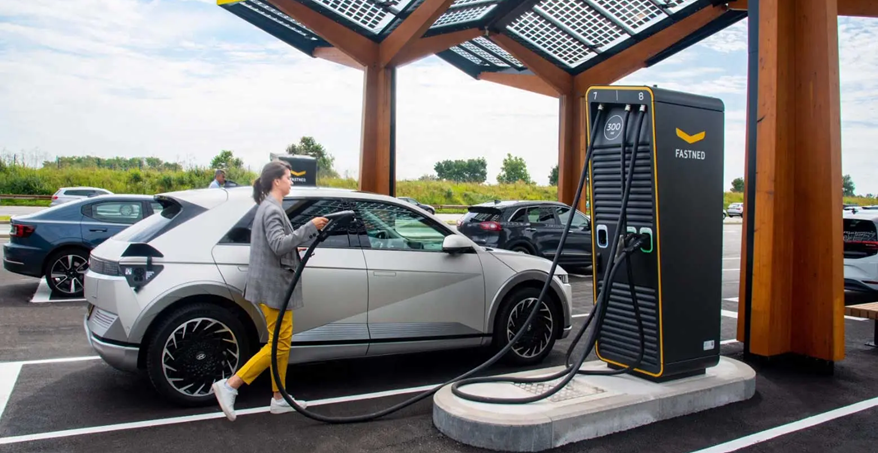
Public DC fast-charging satisfaction rose to 666 points in 2026, while failed charging visits fell to a record-low 12%, according to J.D. Power
The public EV charging experience in the United States is showing clear signs of improvement, with drivers reporting better reliability, availability and overall satisfaction at DC fast-charging stations.
According to the 2026 J.D. Power U.S. Electric Vehicle Experience Public Charging Study, satisfaction with DC fast chargers climbed 12 points year over year to 666 points on a 1,000-point scale.
At the same time, the percentage of visits in which an EV owner arrived at a charger but could not complete a charging session dropped to just 12%, the lowest level recorded since the study began.
Those numbers suggest that public charging infrastructure is becoming more convenient for EV owners, particularly as newer networks introduce faster equipment, larger charging locations and easier payment systems.
IONNA Takes First Place Among DC Fast-Charging Networks
One of the biggest highlights of the 2026 study is the strong performance of newer charging networks.
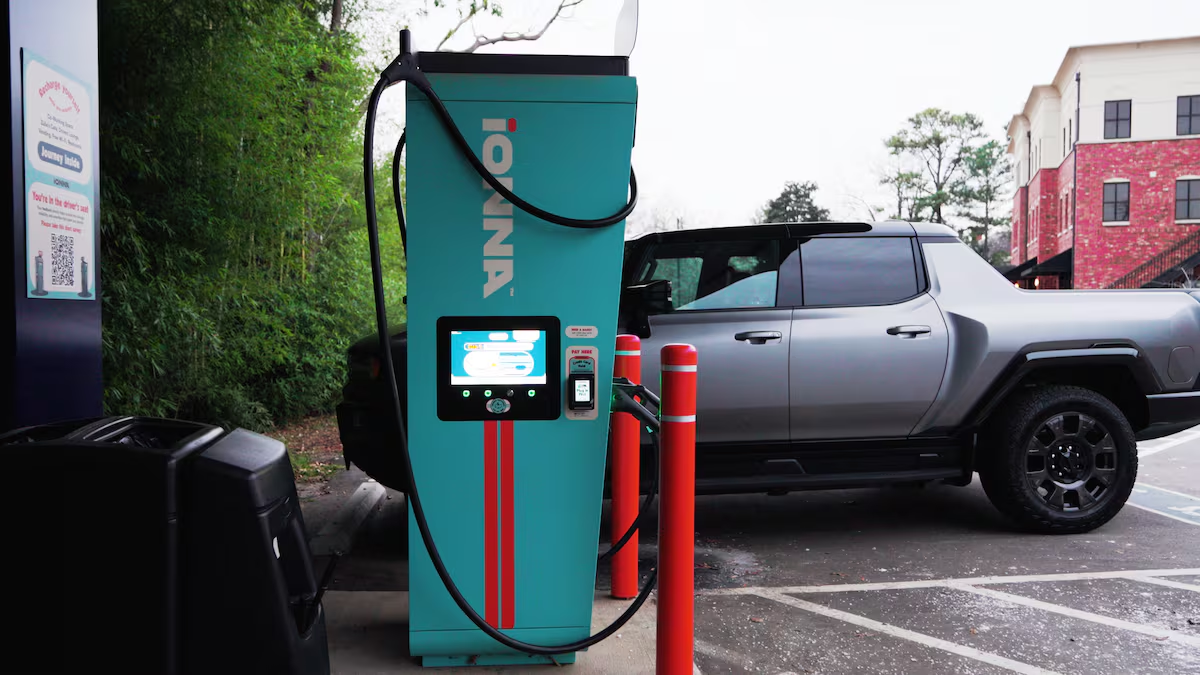
IONNA ranked first among DC fast-charging providers with 807 points, making a strong debut in its first year of award eligibility.
The Mercedes-Benz Charging Network followed with 797 points, while the Rivian Adventure Network placed third with 755 points.
The results show how newer automaker-backed charging networks are raising expectations around the public charging experience, particularly in areas such as charging speed, station availability and ease of use.
IONNA, for example, is backed by several major automakers and is developing large-scale fast-charging sites designed around convenience and high charging capacity.
DC Fast-Charging Satisfaction Climbs to 666 Points
The overall score for DC fast charging reached 666 points in 2026, compared with a lower result one year earlier.
J.D. Power found improvements across all 10 factors included in its evaluation.
The largest increase came from charger availability, which improved by 27 points.
Drivers also reported better experiences with safety at charging locations, up 18 points, while satisfaction with the cost of charging also increased by 18 points.
These improvements matter because dependable public charging remains one of the most important factors for consumers considering a switch to an electric vehicle.
Failed Charging Visits Drop to a Record-Low 12%
Reliability is another area where public EV charging made progress.
During the most recent quarter measured by J.D. Power, only 12% of charging visits ended without the driver being able to recharge the vehicle.
That compares with 14% during the same period a year earlier.
The 12% figure represents the lowest rate recorded in the history of the study.
Newer automaker-supported charging networks posted some of the strongest reliability results, while established networks also showed improvements.
For EV drivers, that translates into a greater chance of arriving at a station and completing a charging session as planned.
Charger Location Can Make a Big Difference
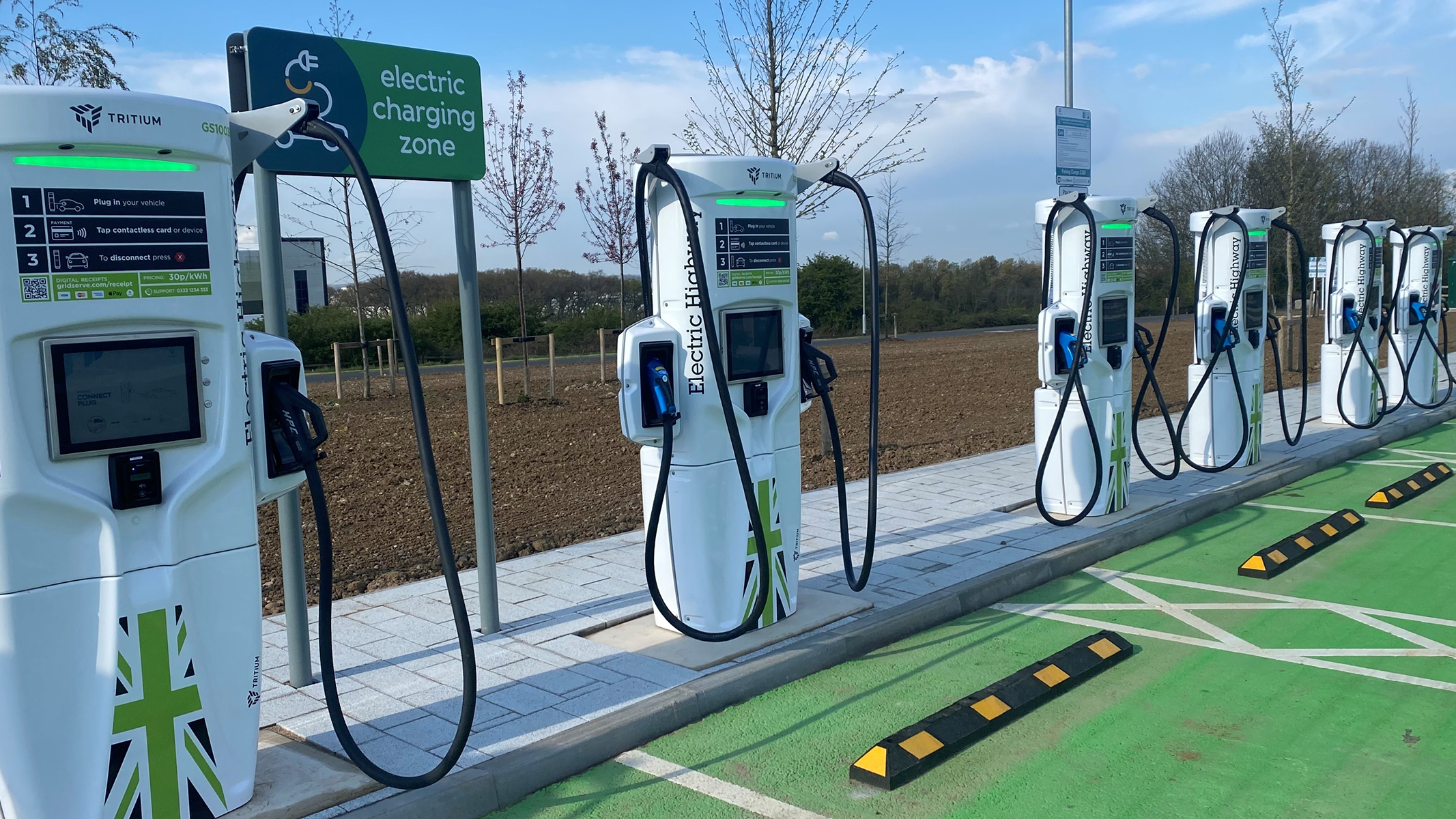
The study also found that where a fast charger is located has a noticeable impact on customer satisfaction.
DC fast chargers installed at hotels received an average score of 692 points, the highest among the location types included in the survey.
Charging stations at gas stations and convenience stores scored 689 points, followed closely by chargers located at restaurants with 688 points.
These locations can offer drivers useful amenities while they wait, including food, restrooms and indoor areas.
Chargers located at dealerships scored 570 points, while stations placed in stand-alone parking lots and garages averaged 606 points.
The results reinforce the growing importance of designing charging locations around the complete customer experience rather than focusing only on charger output.
Level 2 Public Charging Tells a Different Story
While DC fast charging improved, public Level 2 charging satisfaction reached 595 p
 oints, down 12 points from a year earlier.
J.D. Power identified ease of payment and ease of charging as major factors influencing the result.
Level 2 chargers are typically used when vehicles remain parked for longer periods, including at shopping centers, workplaces, hotels and public parking facilities.
Improving payment systems, charger accessibility and the overall charging process could make these locations even more useful as EV adoption expands.
Charging Speed Remains a Major Priority for Drivers
Even with the gains recorded in 2026, charging speed remains one of the most important elements of the EV charging experience.
J.D. Power found that slow charging continues to be one of the most frequently reported concerns among users of both DC fast chargers and Level 2 stations.
The experience at fast chargers has improved considerably, helped by a new generation of higher-power equipment and charging hubs with more stalls.
That combination can reduce waiting times and allow drivers to recover significant driving range during shorter stops.
More Than 6,500 EV Owners Participated in the Study
The 2026 U.S. Electric Vehicle Experience Public Charging Study is now in its sixth year.
J.D. Power conducted the research in collaboration with PlugShare, gathering responses from 6,594 battery-electric and plug-in hybrid vehicle owners between January and June 2026.
The study evaluates public charging across 10 areas, including ease of charging, charging speed, charger condition, availability, location convenience, nearby activities, safety, ease of finding the station, charging cost and payment experience.
With IONNA scoring 807 points, the Mercedes-Benz Charging Network reaching 797 and Rivian earning 755, the 2026 results highlight how investments in reliability, faster hardware and more convenient locations are reshaping public EV charging across the United States.