August 3, 2026
NHTSA is developing updated federal requirements that could make manual emergency door releases easier to identify and operate after a vehicle loses electrical power
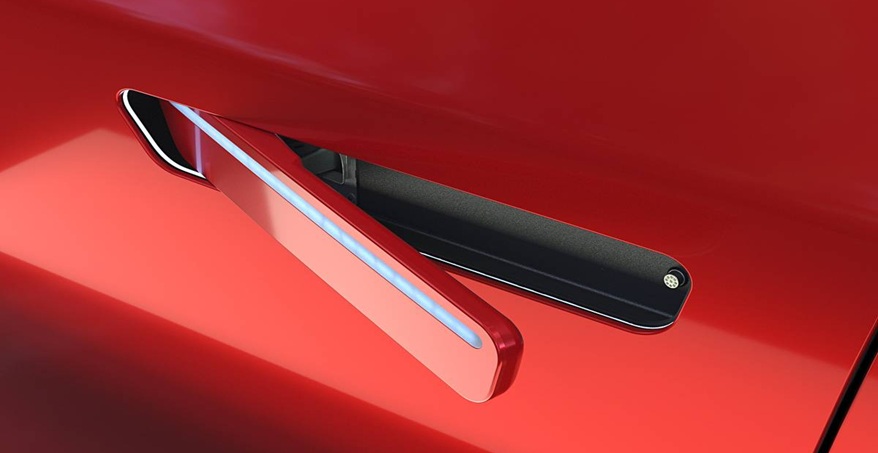
Electronic car door handles have become increasingly common across electric vehicles, luxury models and other new cars sold in the United States. Their sleek design and convenient operation have helped modernize vehicle interiors, but federal regulators now want emergency exit systems to become just as intuitive.
The National Highway Traffic Safety Administration, better known as NHTSA, has started developing updated federal requirements for vehicle door systems.
The initiative could lead automakers to install clear, accessible and power-independent manual door releases that passengers can quickly locate when electronic systems are unavailable.
NHTSA Begins Reviewing Federal Door Standards
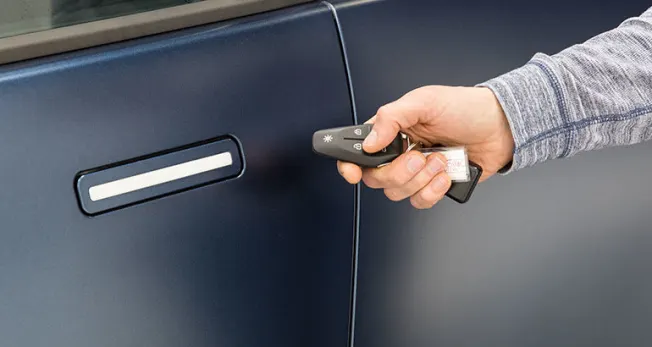
NHTSA has directed its Office of Rulemaking to consider adding stronger emergency exit requirements to the Federal Motor Vehicle Safety Standards.
The agency is focusing on what it describes as robust and obvious door egress. In practical terms, future vehicles may need emergency releases that are easy to see, simple to understand and usable without electrical power.
The work is still in its early stages. NHTSA has not announced the final design specifications, testing procedures or implementation schedule.
Once developed, the requirements could apply to automakers selling new passenger vehicles in the United States.
Why Electronic Door Releases Are Receiving Attention
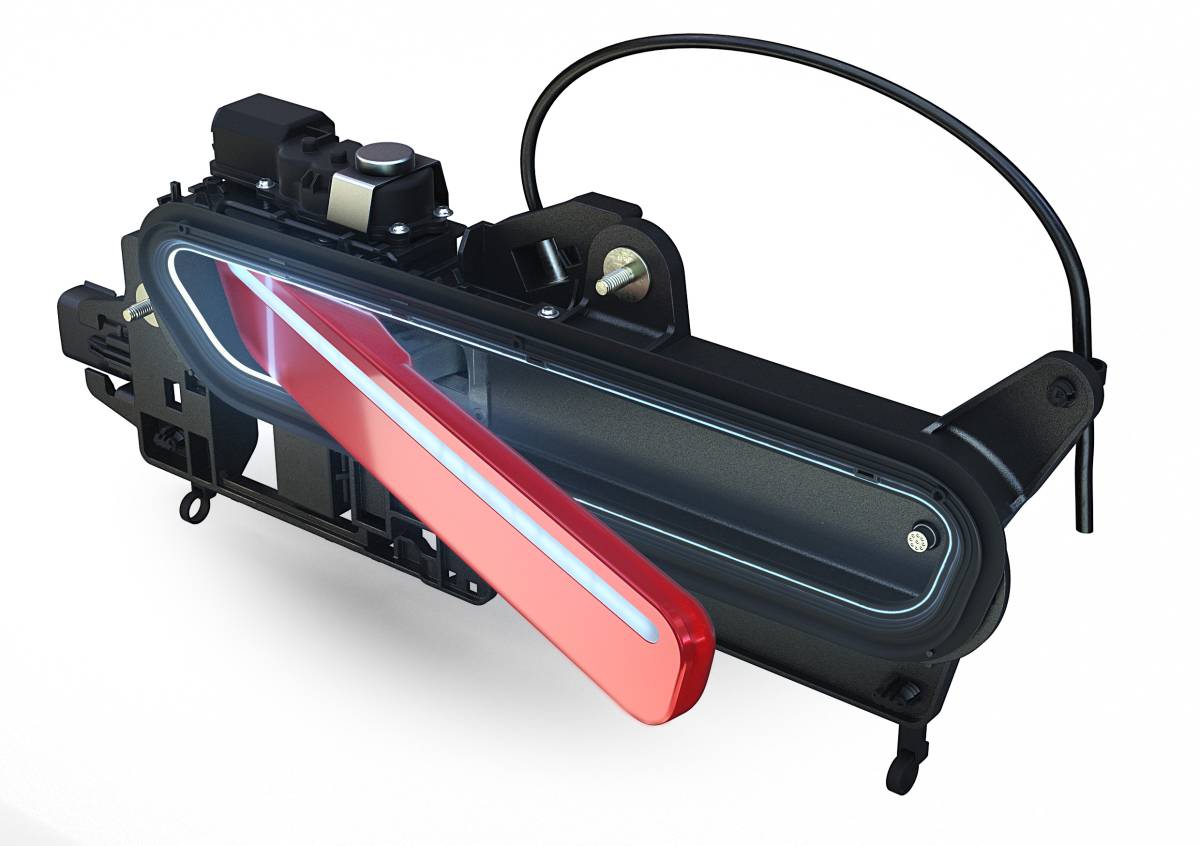
Many new vehicles replace traditional mechanical interior handles with buttons, switches or electronically activated latches.
During normal operation, these systems can provide a clean cabin design and convenient access. Vehicles equipped with electronic latches generally include a mechanical backup, but its location and operation can vary significantly between models.
A federal standard could create a more consistent experience for drivers and passengers, making emergency exits easier to recognize across different brands and vehicle categories.
The update would also help current regulations reflect the technology now appearing in a growing number of cars.
Tesla Model 3 Petition Helped Move The Issue Forward

The rulemaking discussion followed a petition submitted by the owner of a 2022 Tesla Model 3.
The driver reported difficulty finding a manual emergency release after a collision caused the vehicle to lose power. He eventually exited through a rear passenger window after moving across the cabin.
NHTSA declined to open the specific defect investigation requested in the petition because it did not find sufficient evidence of a widespread safety defect.
However, the agency agreed that emergency access involving electronic door systems deserved broader consideration. The matter was then referred to the Office of Rulemaking for further development.
SAFE Exit Act Could Accelerate New Requirements
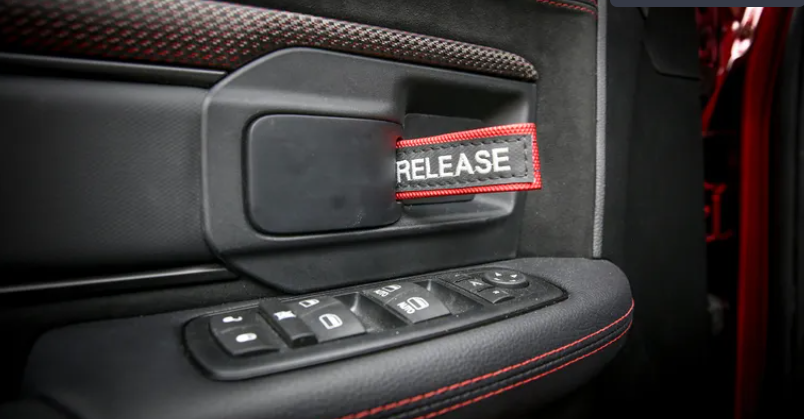
Congress is also considering the SAFE Exit Act of 2026, formally known as the Securing Accessible Functional Emergency Exit Act.
The proposal would require vehicles equipped with electronic latches to provide an easy-to-find manual release for every passenger door. Each release would need to operate independently of the vehicle’s electrical system.
The bill also calls for clear labeling and a method that allows emergency responders to enter the passenger compartment after electrical power is lost.
If approved, the legislation would direct NHTSA to issue a final rule within two years. Automakers would then receive up to two additional years to meet the new requirements.
New Rules Are Unlikely To Arrive Immediately
Creating a federal vehicle safety standard involves research, public comments, technical evaluation and a transition period for manufacturers.
For that reason, updated door requirements are not expected to take effect in 2026 or 2027.
An industry safety advocate cited in the original report estimated that a final compliance deadline may not arrive before 2030, even with steady progress. Implementation could extend into the first years of the following decade, depending on the final scope of the regulation.
Automakers would need sufficient time to redesign door hardware, cabin trim, exterior handles, warning labels and manufacturing processes.