October 2, 2026
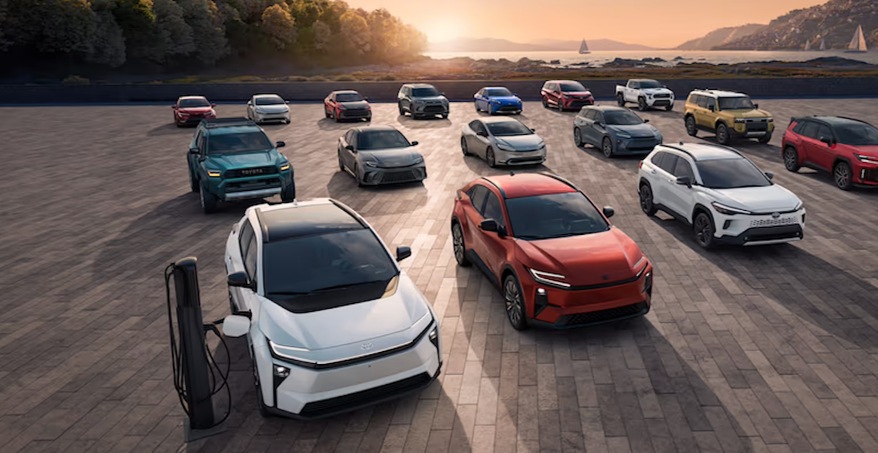
GM remained America’s largest automaker in the third quarter of 2026, while strong Toyota hybrid sales helped shrink the gap between the two companies
The U.S. auto industry is showing a clear shift in buyer behavior, and hybrid vehicles are becoming one of the biggest forces behind it.
During the third quarter of 2026, General Motors remained the best-selling automaker in the United States, delivering 670,974 vehicles. Toyota came much closer, reaching 633,223 sales during the same period.
That leaves a difference of just 37,751 vehicles between the two companies.
Toyota’s growth is being supported heavily by electrified vehicles, particularly conventional hybrids, as American drivers look for better fuel efficiency without changing their daily routine around charging.
Toyota Hybrid Sales Continue To Grow
Toyota’s electrified vehicle sales reached 363,367 units during the third quarter, an increase of 28.5% compared with the previous year.
Electrified models represented approximately 57.4% of Toyota’s total U.S. sales during the quarter.
That category includes hybrids, plug-in hybrids and battery-electric vehicles, although traditional hybrids remain especially important to Toyota’s lineup.
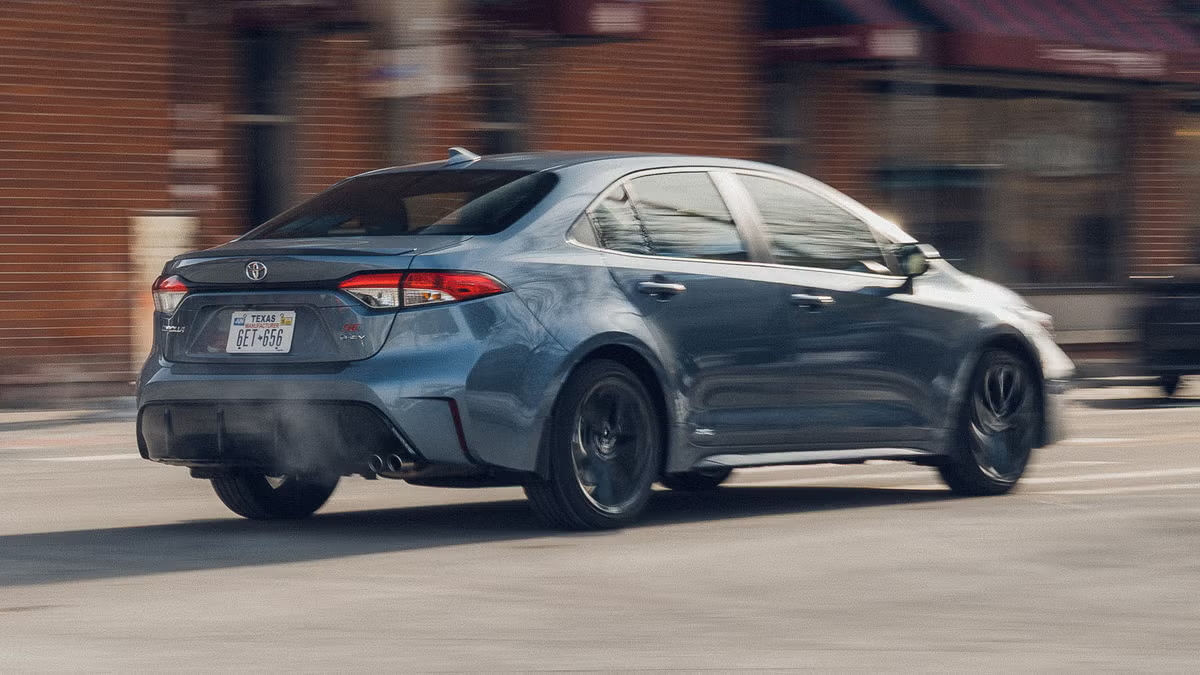
One example is the Toyota Corolla Hybrid, which recorded sales growth of about 36% during the quarter.
A hybrid combines a gasoline engine with an electric motor to reduce fuel consumption. Unlike a plug-in hybrid or fully electric vehicle, a conventional hybrid does not need to be connected to a charger.
Higher Gas Prices Are Making Fuel Economy More Important
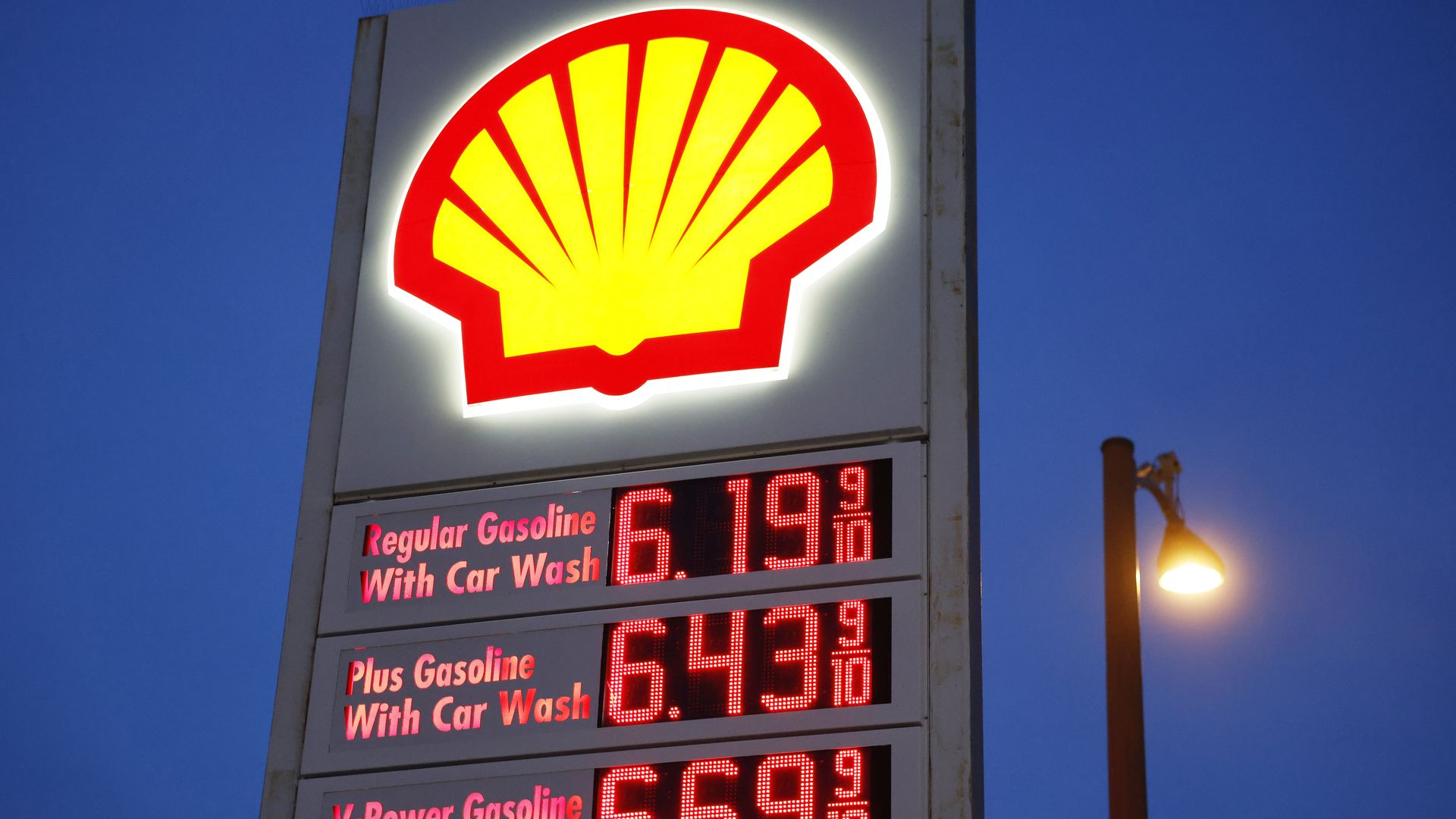
One reason hybrids are attracting more attention is the cost of fuel.
Average gasoline prices in the U.S. reached around $4.43 per gallon in September 2026, compared with approximately $3.20 a gallon one year earlier.
That difference can become significant for drivers who commute frequently or own larger vehicles.
Hybrid models offer one way to reduce fuel consumption while maintaining the convenience of filling up at a gas station.
That combination is helping vehicles such as the Toyota RAV4 Hybrid, Corolla Hybrid and other electrified models attract shoppers who want greater efficiency without moving entirely to an EV.
GM Still Holds The Top Spot
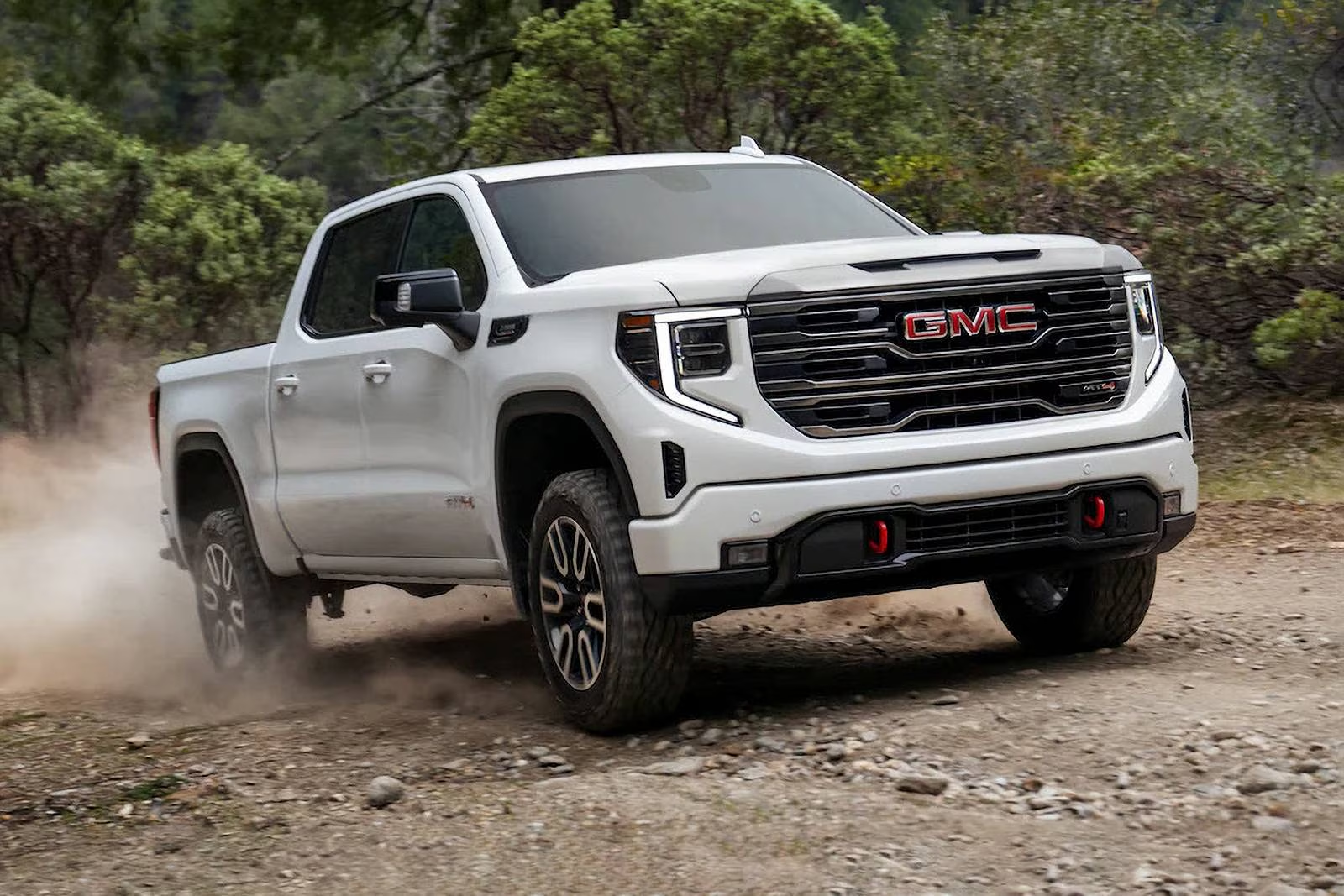
Despite Toyota’s gains, General Motors remains the largest automaker by sales in the United States.
GM sold 670,974 vehicles in Q3 2026, although that figure was down 5.5% from the same quarter in 2025, when the company delivered 710,347 vehicles.
GM continues to benefit from a broad portfolio that includes Chevrolet, GMC, Cadillac and Buick.
Pickup trucks and SUVs remain particularly important to the company, with models such as the Chevrolet Silverado and GMC Sierra continuing to play a major role in U.S. sales.
EV Sales Look Different After The Federal Tax Credit
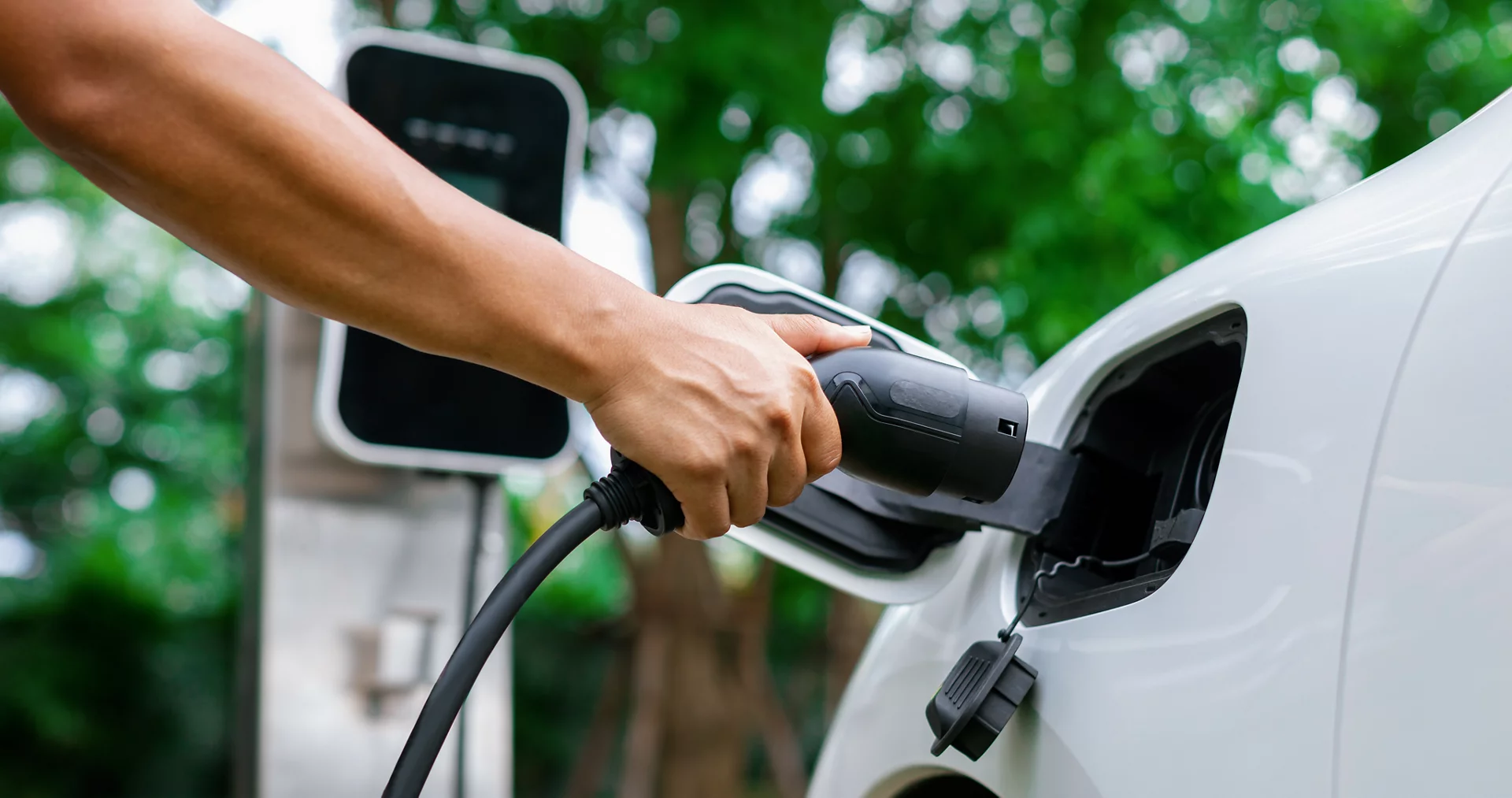
The electric vehicle side of the industry has also changed significantly.
U.S. EV sales have declined following the expiration of the $7,500 federal electric vehicle tax credit in September 2025.
For GM, electric vehicle sales were down sharply compared with the same period a year earlier. The Chevrolet Equinox EV, Blazer EV and GMC Hummer EV all recorded lower volumes during the quarter.
This is one reason hybrids are receiving more attention from both automakers and buyers.
They offer some of the fuel-saving benefits associated with electrification while avoiding the need for home charging infrastructure.
Ford Is Seeing The Same Hybrid Trend
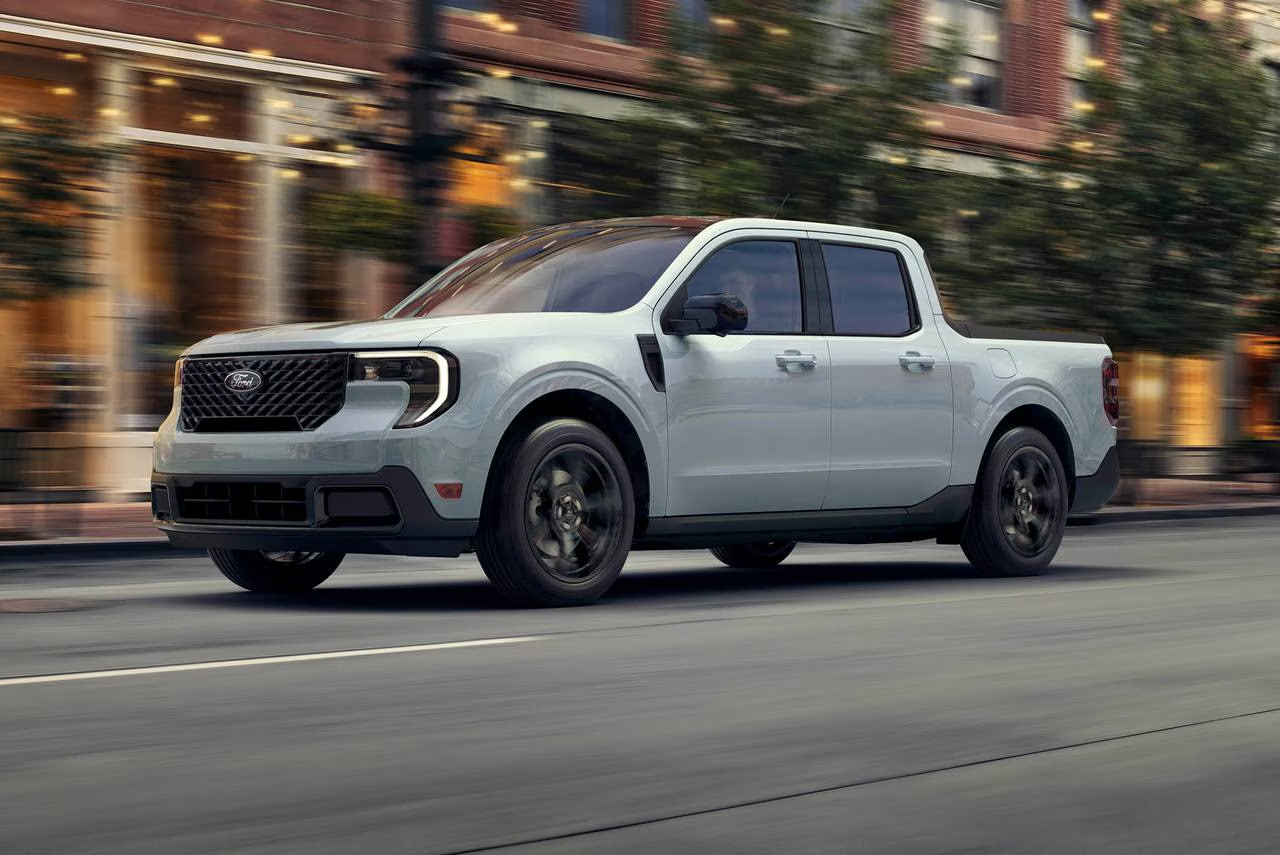
Toyota is not the only automaker benefiting from growing hybrid interest.
Ford reported strong demand for electrified versions of several models, including the Maverick Hybrid.
Maverick sales increased by more than 20% to 41,970 units during the quarter, supported in part by demand for the hybrid powertrain.
A hybrid version of the F-150 is also available, giving buyers another option within one of America’s most important vehicle segments.
The trend suggests that hybrids are becoming relevant across more categories, from compact cars and crossovers to pickups.
Asian Automakers Are Gaining U.S. Market Share
The broader sales picture also shows a gradual change in market share.
The traditional Detroit automakers, GM, Ford and Stellantis, are expected to account for roughly 36% of U.S. vehicle sales during the third quarter.
Asian automakers, including Toyota, Honda, Hyundai and Kia, continue to gain ground, helped by strong demand for efficient cars, SUVs and hybrids.
Toyota and Honda in particular already offer hybrid powertrains across several of their most popular nameplates.
That gives them a wide range of options for buyers who want better fuel economy without moving directly to a battery-electric vehicle.
New Cars Are Also Getting More Expensive
Fuel economy is only one part of the buying decision.
The average price of a new vehicle in the United States reached approximately $50,089 in August 2026, nearly 2% higher than a year earlier.
Higher vehicle prices can make monthly payments more important, especially when combined with insurance, fuel and financing costs.
That helps explain why shoppers are increasingly looking at the total cost of owning a vehicle rather than focusing only on horsepower, size or purchase price.
Hybrids Are Becoming A Bigger Part Of The U.S. Auto Industry
The third-quarter numbers show that the U.S. automotive landscape continues to evolve.
GM remains No. 1 with 670,974 sales, but Toyota’s 633,223 vehicles put the Japanese automaker much closer to the top than before.
The bigger story may be what is driving that change.
With higher gasoline prices, rising new-car costs and a different incentive environment for EVs, hybrid vehicles are becoming increasingly important to American buyers.
That gives automakers with broad hybrid lineups an important opportunity as drivers look for vehicles that combine familiar everyday usability with lower fuel consumption.