September 18, 2026
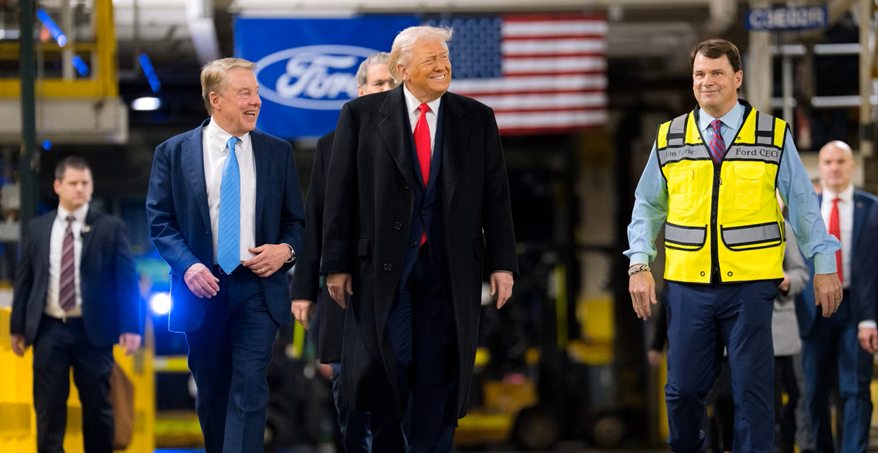
President Donald Trump says Chinese automakers could manufacture vehicles in the United States if they establish local plants and employ American workers, while current regulations continue to limit their entry
The possibility of Chinese automakers building vehicles in the United States is gaining attention after President Donald Trump said he would be open to companies establishing factories on American soil and employing U.S. workers.
The comments come as automakers, suppliers and dealer groups continue discussions with the administration about how Chinese vehicle manufacturers could affect U.S. automotive production, employment and connected-vehicle regulations.
For American drivers, this does not mean Chinese-brand vehicles are immediately heading to local dealerships. Significant regulatory and trade requirements remain in place.
Trump Says Chinese Automakers Could Produce Cars In America
During a Fox News interview aired on September 11, 2026, Trump said he would be open to Chinese automakers establishing manufacturing facilities in the United States.
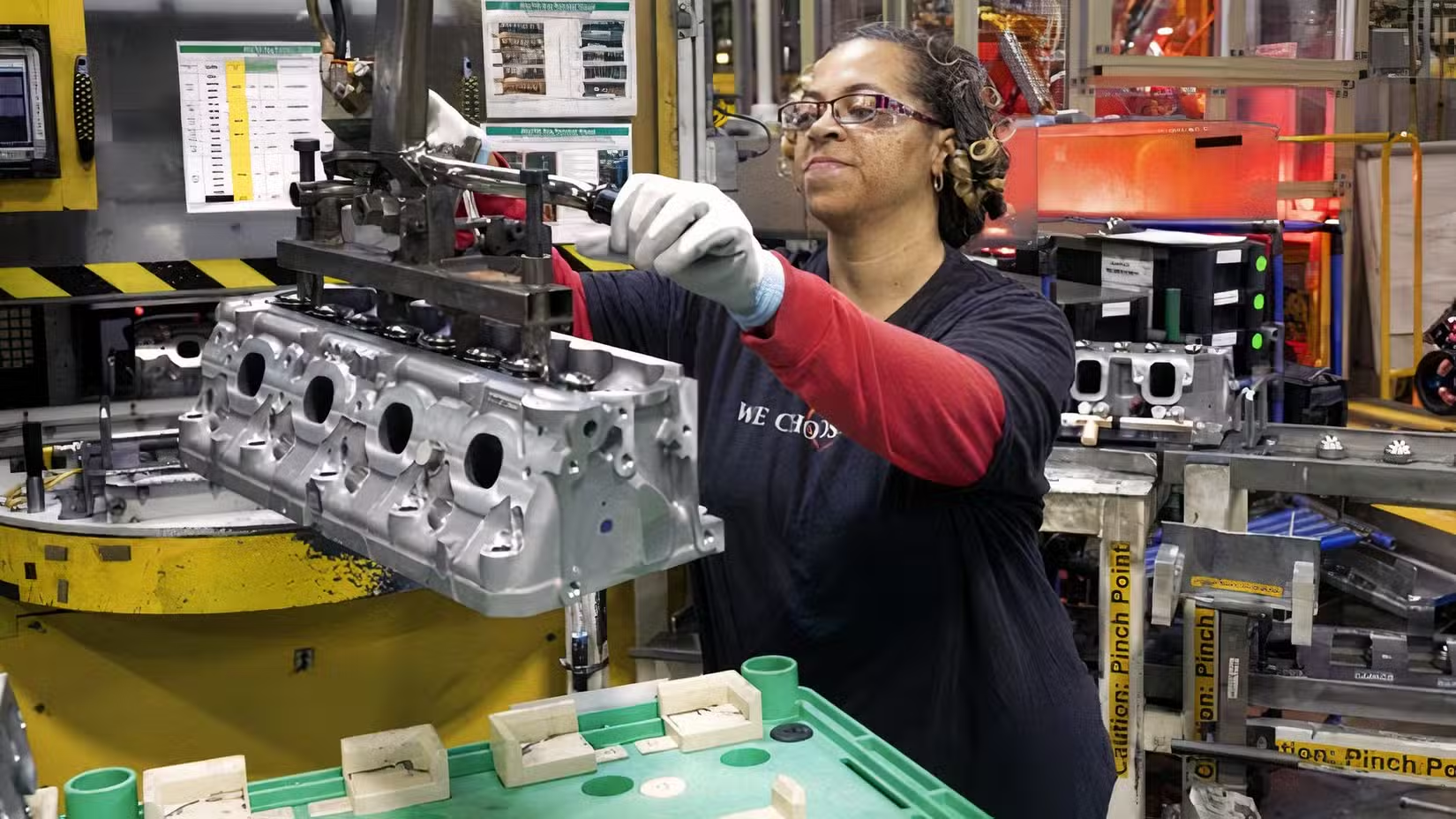
His comments focused particularly on domestic manufacturing and American employment, pointing to international automakers that already operate major U.S. factories.
The president also drew a distinction between vehicles manufactured in America and vehicles produced in Mexico specifically for export to the United States.
That distinction could become important if discussions surrounding Chinese automotive investment continue.
U.S. Auto Industry Groups Want Current Protections Maintained
Several major automotive organizations have asked the administration to maintain existing restrictions on Chinese automakers.
On September 18, 2026, six industry groups representing automakers, suppliers and dealers urged the administration to keep current protections in place. Their members include companies such as General Motors, Ford, Toyota, Volkswagen, Hyundai, Stellantis and Tesla.
Their position centers on preserving U.S. automotive manufacturing and employment, as well as addressing concerns surrounding connected-vehicle technology and data.
This means any future entry by Chinese manufacturers would likely depend on how U.S. regulations evolve.
Current Rules Create Major Barriers For Chinese Cars
Chinese passenger vehicles currently face substantial hurdles before they can be widely sold in the United States.
Washington maintains a 100% tariff on Chinese electric vehicles, while connected-vehicle rules also restrict certain Chinese-linked automotive software and hardware. These regulations include technologies involving cellular connectivity, Bluetooth, Wi-Fi and some satellite communications.
Rules affecting connected passenger vehicles are particularly relevant beginning with the 2027 model year.
Congress is also considering additional legislation involving Chinese vehicles and automotive technologies, so the regulatory framework could continue developing.
BYD And Other Chinese Companies Are Drawing Attention
The discussion is especially notable because China is home to some of the world’s largest electric vehicle and battery manufacturers.
BYD, for example, is among the Chinese companies reportedly under consideration for a business delegation accompanying Chinese President Xi Jinping during an upcoming visit to Washington. Battery manufacturers CATL and Gotion, along with Xiaomi and other companies, have also been mentioned as possible participants.
That does not confirm that BYD or another Chinese automaker will establish a U.S. passenger-car factory.
However, it highlights the growing importance of automotive manufacturing, batteries and electrification in economic discussions between the two countries.
American Manufacturing Could Be Central To Any Future Plan
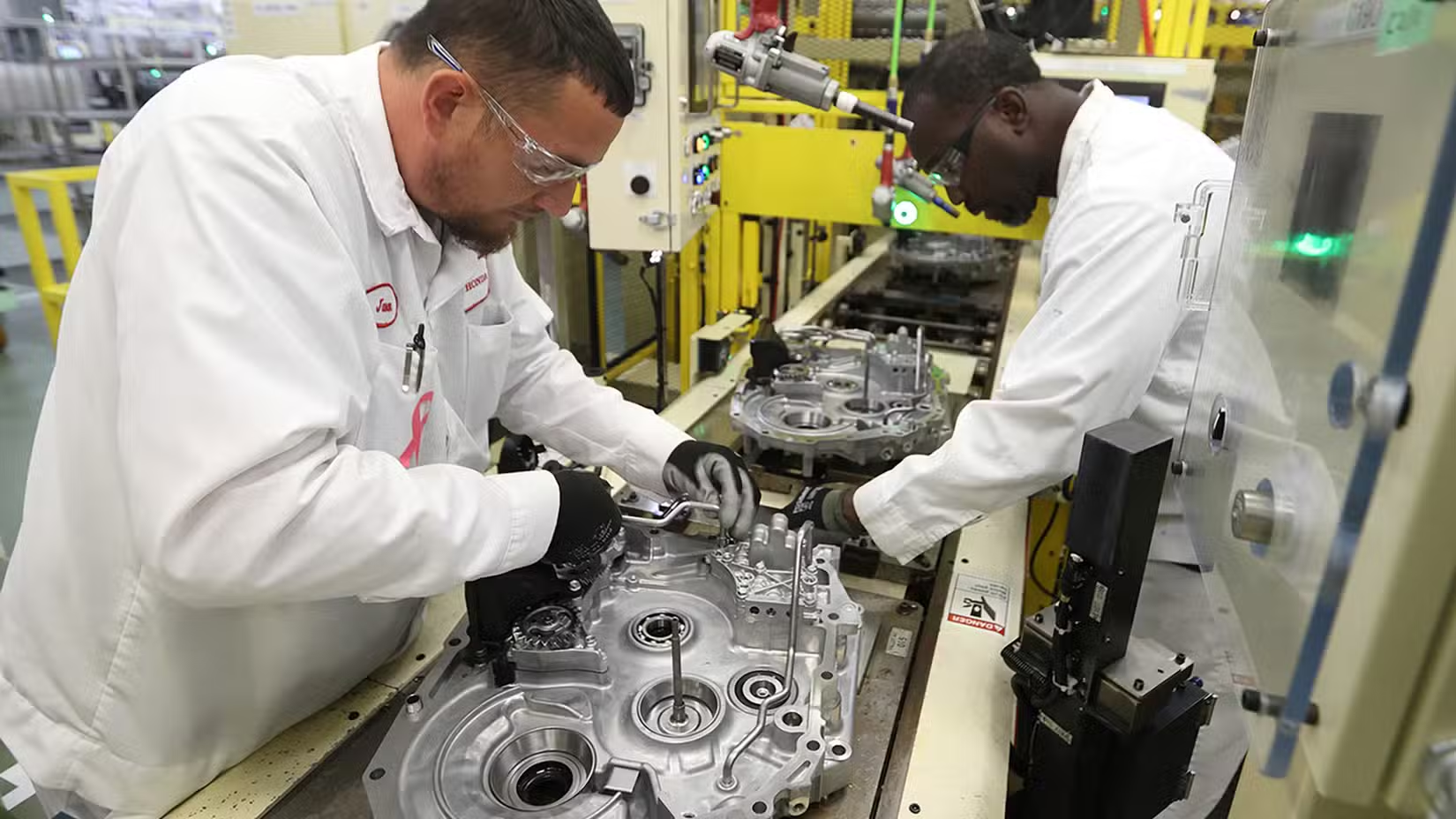
Trump’s comments suggest that building vehicles inside the United States and employing American workers would be central considerations in any potential opening for Chinese automakers.
The U.S. already has extensive manufacturing operations from automakers headquartered in Japan, South Korea and Europe, making local production an established part of the American automotive industry.
Chinese manufacturers would still face a different regulatory environment because of existing rules covering connected vehicles, technology and trade.
As a result, establishing a factory alone would not automatically provide unrestricted access to American consumers.
No Chinese Car Launches Or Prices Have Been Announced
For consumers interested in models from brands such as BYD, Geely or other Chinese manufacturers, there are currently no confirmed U.S. launch dates or official retail prices associated with these discussions.
The latest developments concern the possibility of future U.S.-based manufacturing, rather than confirmed vehicle launches.
Current tariffs and connected-vehicle regulations also remain important factors. Any manufacturer seeking to enter the country would need to comply with the rules applicable at the time.
The Next Developments Could Be Important For U.S. Car Buyers
The discussion puts American manufacturing, automotive technology and job creation at the center of attention.
Trump has publicly indicated openness to Chinese automakers manufacturing vehicles domestically with American employees, while major automotive organizations are asking the administration to maintain existing restrictions.
For now, no Chinese automaker has announced a new U.S.-built passenger vehicle, official launch date or price tied to these discussions.
That makes future regulatory decisions and potential investment announcements the key developments to watch as the U.S. automotive landscape continues to evolve.