April 4, 2025
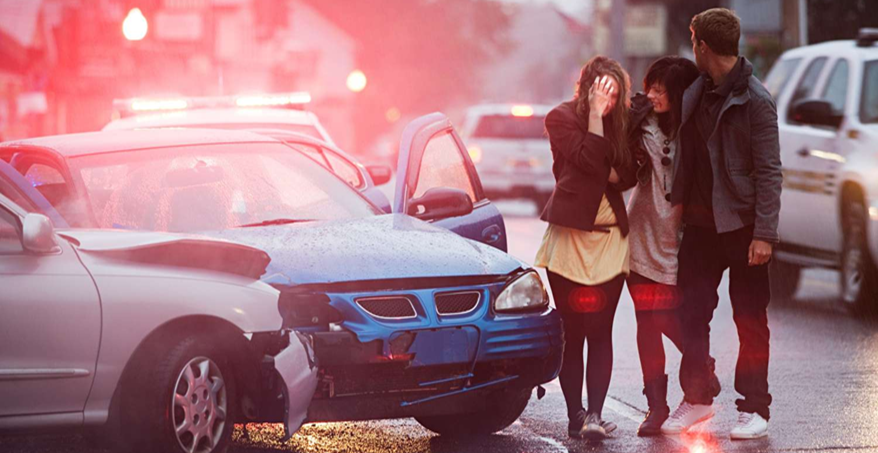
Take back the wheel: gentle steps to heal driving anxiety after a traumatic crash.
Experiencing a car accident can deeply affect more than just your physical health—it can leave lasting psychological scars that turn everyday activities like driving into a challenging and anxiety-inducing task. Known as Car Accident PTSD (Post-Traumatic Stress Disorder), this condition can severely limit your independence and confidence behind the wheel.
Fortunately, overcoming this fear is possible with the right strategies and support.
We’ll explore effective methods to regain your confidence, understand how PTSD affects your driving experience, and offer valuable insights to help you get back on the road safely and confidently.
Understanding Car Accident PTSD
Car accident PTSD is a form of Post-Traumatic Stress Disorder that specifically arises after being involved in or witnessing a serious vehicle collision. Symptoms may include severe anxiety, nightmares, flashbacks, and a persistent fear or avoidance of driving. If left unaddressed, this condition can significantly impair your quality of life.
Common signs you might be suffering from car accident PTSD include:
-
Intense anxiety or panic attacks when attempting to drive
-
Avoidance behaviors, like refusing to drive or avoiding roads similar to where the accident happened
-
Sleep disturbances or vivid nightmares about the accident
-
Persistent negative emotions, such as guilt, anger, or helplessness
Recognizing these symptoms early is the first step towards overcoming them.
How PTSD Affects Your Driving Experience
Driving after experiencing a traumatic accident can trigger an emotional response, often linked to sensory memories. Even the sound of screeching tires or the sight of brake lights can instantly trigger anxiety or panic attacks.
The brain associates certain stimuli with danger, activating a fight-or-flight response even in safe situations. Understanding this process can help you address and rewire your brain’s reaction to driving, ultimately reducing your fear and anxiety.
Effective Strategies to Overcome Your Fear of Driving
Overcoming car accident PTSD takes patience and practice, but the results are life-changing. Here are proven strategies to regain your confidence:
1. Seek Professional Counseling
One of the most effective treatments for PTSD is Cognitive Behavioral Therapy (CBT). This type of therapy helps you confront and gradually reduce anxiety associated with traumatic memories.
Another effective method is Eye Movement Desensitization and Reprocessing (EMDR), which is specially designed for trauma survivors. Professional therapists guide you to safely process traumatic memories, significantly reducing emotional distress.
-
Average Therapy Cost: $75 – $200 per session (often covered partially by insurance)
2. Gradual Exposure
Reintroducing yourself gradually to driving is key to reducing anxiety. Start by simply sitting behind the wheel without driving, progress to short trips around your neighborhood, and eventually build up to longer drives on highways or busy roads.
This approach helps retrain your brain to recognize driving as safe and manageable again.
3. Take Defensive Driving Courses
Enrolling in a defensive driving course can significantly rebuild your confidence by enhancing your skills and teaching you how to handle challenging road situations. These courses equip you with techniques to stay calm and in control behind the wheel.
-
Average Course Price: $30 – $100 (varies by provider)
4. Practice Mindfulness and Relaxation Techniques
Mindfulness and breathing exercises help manage stress and anxiety. Techniques such as deep breathing, progressive muscle relaxation, and guided meditation can calm your mind, allowing you to regain control and reduce panic symptoms during stressful driving situations.
Choosing the Right Vehicle to Ease Your Anxiety
If your accident has made you more cautious about driving, choosing the right vehicle can also significantly help alleviate anxiety. Cars with advanced driver assistance technologies offer features designed to increase your safety and confidence on the road. Consider vehicles equipped with:
-
Adaptive Cruise Control
-
Automatic Emergency Braking
-
Lane-Keeping Assist
-
Blind Spot Monitoring
Some of the safest and highly recommended vehicles include:
-
Honda Civic (2024) – Price Range: $24,000 – $32,000
-
Subaru Outback (2024) – Price Range: $28,500 – $40,000
-
Toyota RAV4 (2024) – Price Range: $28,000 – $38,000
These cars offer exceptional safety ratings, reliable driver-assistance technology, and comfortable driving dynamics.
Building a Support System
Recovering from car accident PTSD is easier with a solid support system. Discuss your fears openly with family and friends, and consider joining local support groups or online communities dedicated to overcoming PTSD. Being surrounded by people who understand and support your journey will significantly boost your recovery.
When to Seek Professional Help Immediately
While self-help strategies are valuable, seek professional help immediately if your PTSD symptoms:
-
Persist beyond a few weeks after the accident
-
Worsen over time
-
Affect your daily life significantly, making it impossible to function normally
Early intervention can accelerate your recovery process and prevent symptoms from becoming chronic.
Regaining confidence and overcoming the fear of driving after a car accident requires patience, courage, and support. By implementing these strategies and understanding your emotional responses, you’ll reclaim your freedom on the road and ensure a safer, more enjoyable driving experience.