October 13, 2025
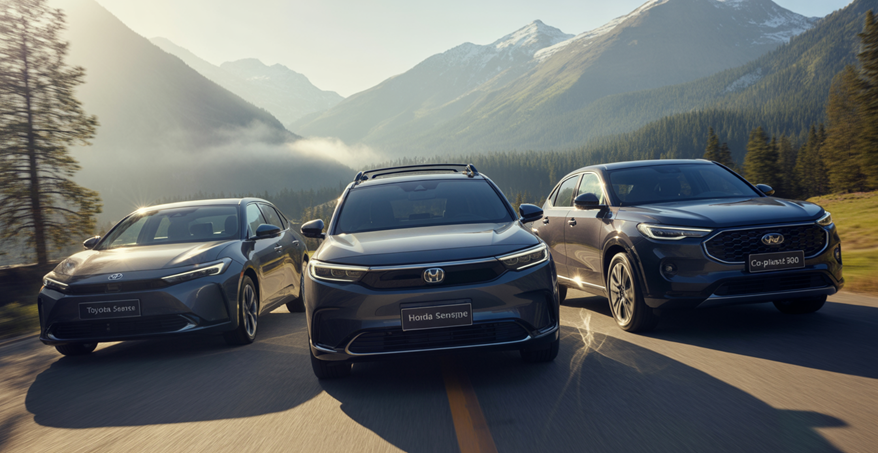
ACC in 2025 compared: Toyota Safety Sense vs Honda Sensing vs Ford Co-Pilot360. Tests of smoothness, gap control, and limits.
Looking for a calm, confidence-boosting commute in 2025? All three suites deliver solid adaptive cruise control. Toyota feels conservative and consistent, Honda is smooth and natural in traffic, and Ford brings robust convenience with clear controls and broad stop-and-go support.
Pick based on how you drive most of the time, plus the trim level that unlocks the features you want.
What Adaptive Cruise Control Actually Does
Adaptive cruise control, often called ACC, automatically maintains your set speed and adjusts to keep a safe gap from the vehicle ahead. Modern systems in 2025 commonly add:
-
Stop-and-go capability for traffic
-
Lane centering to help keep you in the middle of the lane
-
Speed sign information to suggest or adjust speeds on some models
ACC is part of a larger driver-assist bundle, also known as ADAS. It reduces workload on long drives and in rush hour, but the driver must remain attentive at all times.
The Lineup at a Glance
| System | ACC Name You’ll See | Lane Centering Name | Speed Sign Features | Typical Gap Levels | Traffic Capability |
|---|---|---|---|---|---|
| Toyota Safety Sense (often TSS 3.0 on 2025 models) | Dynamic Radar Cruise Control | Lane Tracing Assist | Road Sign Assist on many models | 3 to 4 steps depending on model | Commonly full-speed with smooth restarts |
| Honda Sensing | Adaptive Cruise Control with Low Speed Follow | Lane Keeping Assist System | Traffic Sign Recognition on many models | 3 to 4 steps depending on model | Confident stop-and-go in dense traffic |
| Ford Co-Pilot360 and Co-Pilot360 Assist packages | Adaptive Cruise Control with Stop-and-Go, often with Lane Centering | Lane Centering | Intelligent ACC with speed sign and map info on select models | 3 to 4 steps depending on model | Strong stop-and-go coverage across trims |
Note: Availability varies by model and package. Always check the specific trim.
Comfort Check: Smoothness and Natural Feel
Toyota Safety Sense
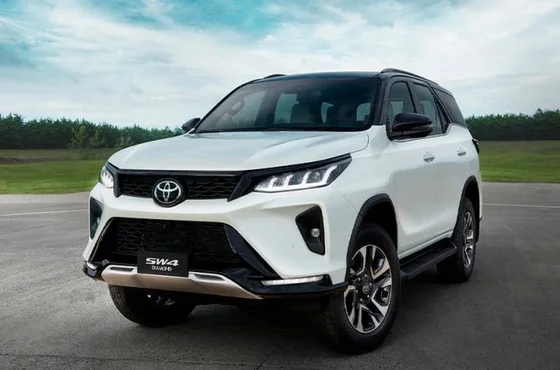
Toyota tunes ACC for predictability. Following distance changes are steady, throttle inputs are measured, and lane centering aims to keep the wheel calm rather than twitchy. If you value a conservative, easygoing ride on long highway stretches, this profile fits well.
Honda Sensing
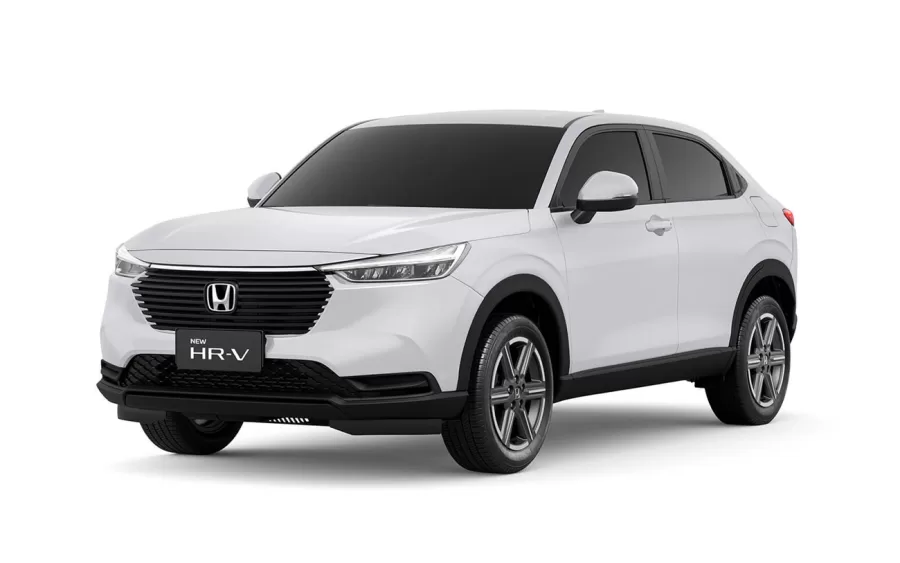
Honda’s Low Speed Follow shines in urban congestion. Braking and re-acceleration feel natural from 0 to 40 mph, with gentle transitions that reduce head-bob in stop-and-go. On the freeway, lane keeping is light-handed. Drivers who want the least “robotic” feel in traffic often prefer this approach.
Ford Co-Pilot360
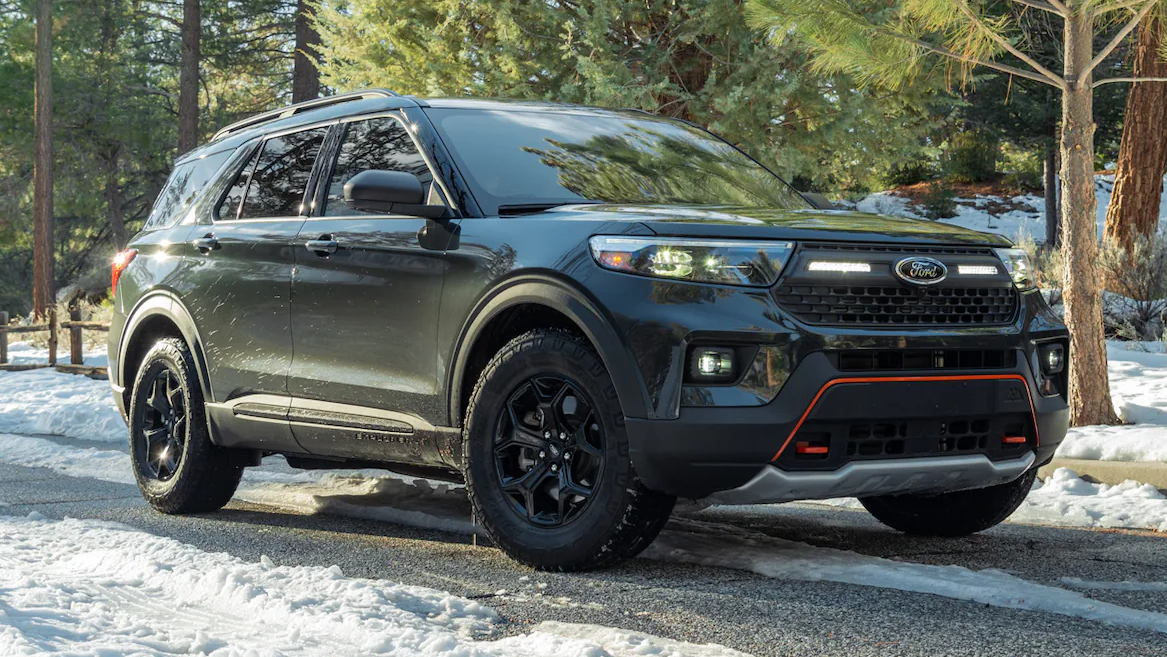
Ford’s Stop-and-Go with Lane Centering is straightforward to use with clear steering-wheel buttons and readable cluster prompts. Transitions are smooth once engaged, and lane centering is confident when road markings are solid. If you appreciate intuitive controls and broad feature availability, Ford is compelling.
Gap Control: How Well Do They Hold Distance?
-
Cut-ins from adjacent lanes: All three detect and expand the gap quickly, though response can vary with your chosen distance setting. Toyota tends to open space early, Honda smooths the change so it feels less abrupt, and Ford reacts decisively while keeping speed steady when safe.
-
Hills and curves: When sight lines shorten, the systems rely on camera and radar to anticipate closing speeds. Expect mild, proactive braking with Toyota and Ford on sweeping curves where enabled. Honda prioritizes smoothness and may trim speed a touch later, yet still comfortably within safe margins.
-
Heavy traffic: Honda’s Low Speed Follow is especially calm below 25 mph. Toyota restarts cleanly after brief stops and is consistent across many models. Ford’s Stop-and-Go works well when lane markings are visible and tends to resume assertively once traffic moves.
Limits You Should Know
Even the best ACC has boundaries. Keep these in mind:
-
Lane centering needs clear markings. Faded paint, construction zones, and sharp curves can reduce performance.
-
Weather matters. Heavy rain, glare, fog, and slush can block cameras and radar, leading to warnings or temporary deactivation.
-
Stationary or cross traffic. ACC is designed for moving traffic in your lane. Do not rely on it to brake for stopped objects or crossing vehicles at high speed.
-
Driver attention is required. Hands on the wheel, eyes on the road. These are driver aids, not self-driving.
Setup Tips For Better Results
-
Pick the right gap. Start with the medium setting. Increase the gap if you see frequent cut-ins, decrease slightly on open highways to maintain flow.
-
Keep sensors clean. Wipe the windshield around the camera area and the front emblem where the radar often sits.
-
Know your buttons. Learn the resume, distance, and cancel controls before hitting traffic.
-
Use lane centering as a helper. It reduces micro corrections on straight roads and helps on gentle bends when markings are clear.
Buyer’s Guide: Which One Fits You Best?
Choose Toyota Safety Sense if you want
-
Predictable, conservative behavior on long highway drives
-
Broad availability across many trims and models
-
A calm lane centering feel that reduces steering fuss
Choose Honda Sensing if you want
-
The smoothest stop-and-go feel in urban congestion
-
Gentle inputs that passengers appreciate
-
A natural steering assist that does not feel intrusive
Choose Ford Co-Pilot360 if you want
-
Clear, intuitive controls with strong lane centering support
-
Widespread Stop-and-Go availability across popular models and packages
-
Optional speed sign and navigation awareness on select versions of Intelligent ACC
Quick note: Ford also offers a separate hands-free option on certain vehicles, but that is beyond the scope of this ACC comparison.
The Bottom Line
In 2025 you cannot go wrong with Toyota Safety Sense, Honda Sensing, or Ford Co-Pilot360 for adaptive cruise control. The right pick comes down to your daily driving mix and the trim that unlocks stop-and-go plus lane centering. If you live in congestion, Honda’s traffic manners may win you over. For long interstate trips, Toyota’s steady demeanor keeps stress low. If you value clear controls and broad availability, Ford is a smart bet.
Prioritize a thorough test drive on the roads you use most, adjust gap settings, and make sure the exact features you want are included on your chosen trim.