November 5, 2025
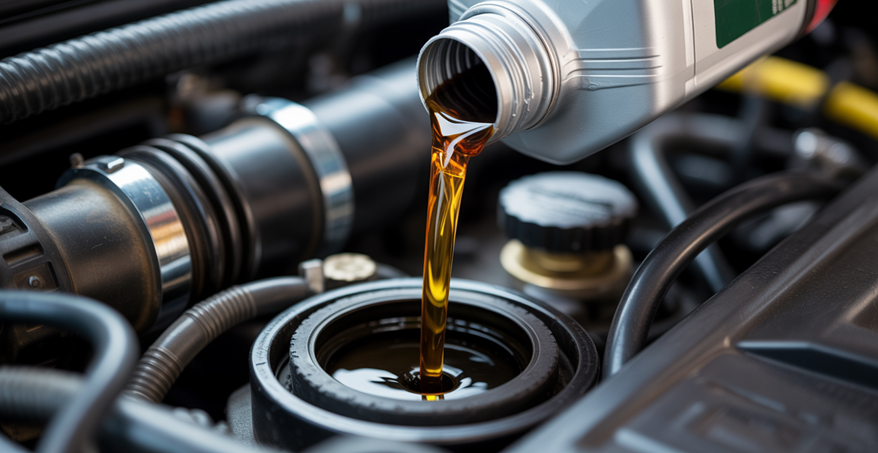
Find the right oil-change interval by engine type—turbo, NA, hybrid, and EV—with tips from manuals and real-world use.
Keeping your car’s engine healthy starts with one simple habit: regular oil changes. But how often should you change your oil? The answer depends heavily on the type of engine your car has. Whether it’s a turbocharged powerhouse, a traditional naturally aspirated engine, a fuel-efficient hybrid, or an electric vehicle, each type comes with unique maintenance needs.
In this guide, we’ll break down the ideal oil change intervals for different engines, what affects those intervals, and how to protect your vehicle’s warranty and long-term performance.
Turbocharged Engines: Power with Precision
Turbo engines are known for delivering strong performance from smaller displacements. They use a turbocharger to force more air into the engine, which means higher internal temperatures and greater stress on the oil.
For that reason, turbocharged engines typically need oil changes every 5,000 to 7,500 miles. Some manufacturers recommend even shorter intervals, especially for drivers who frequently use their cars in stop-and-go traffic or under heavy loads.
Choosing the right oil viscosity is crucial here. Turbo engines usually require synthetic oils with high thermal stability, often marked as 0W-20 or 5W-30. Always check your owner’s manual for the correct specification.
If you stretch oil changes too far, old oil can break down faster under heat, leading to carbon buildup and potential turbo damage. A little diligence goes a long way toward keeping that extra boost running smoothly.
Naturally Aspirated Engines: Reliable and Flexible
Naturally aspirated (NA) engines, meaning those without turbocharging or supercharging, tend to be more forgiving. Their simpler design and lower internal pressures allow for longer oil life.
Most NA engines can go 7,500 to 10,000 miles between oil changes, depending on driving conditions and oil quality. Modern synthetic oils and improved engine materials have extended these intervals compared to older vehicles that required oil changes every 3,000 miles.
Still, drivers who frequently idle, tow, or drive in dusty environments may benefit from shorter intervals. It’s always wise to track your oil life through the vehicle’s monitoring system or follow the manufacturer’s maintenance schedule.
Hybrid Engines: Efficiency Meets Complexity
Hybrid vehicles use both a gasoline engine and an electric motor. Because the gas engine doesn’t run all the time, it experiences less wear in some ways but more stop-start cycles in others. These constant temperature shifts can be tough on oil.
For most hybrids, oil changes are recommended every 5,000 to 10,000 miles, depending on the specific model and engine design. The engine oil may age more due to time rather than mileage, so even if you drive little, it’s best not to exceed 12 months between oil changes.
Using high-quality synthetic oil helps maintain engine protection during the frequent start-stop cycles and ensures smoother transitions between electric and gasoline power.
Electric Vehicles: No Oil, But Still Maintenance
Electric vehicles (EVs) eliminate the traditional oil change entirely, since they don’t have internal combustion engines. However, that doesn’t mean zero maintenance.
EVs still require gearbox fluid, coolant, and brake fluid checks, usually every 30,000 to 50,000 miles depending on the manufacturer’s guidelines. Regular inspections of cooling systems and software updates are equally important to maintain efficiency and longevity.
While you won’t be scheduling oil changes, it’s smart to think of an annual maintenance check as your EV’s version of an oil change.
How Driving Habits Affect Oil Life
Even within the same engine type, oil life can vary based on how and where you drive. Short city trips, extreme temperatures, towing, or long periods of idling all put extra stress on your oil. On the other hand, steady highway driving tends to extend oil life.
Modern vehicles equipped with oil-life monitoring systems can estimate when it’s time for service based on your driving style. Still, these systems rely on algorithms and sensors, so occasional manual checks remain essential.
Protecting Your Warranty and Engine Health
Following the manufacturer’s recommended oil type and interval is key to maintaining your warranty coverage. Using the wrong viscosity or skipping scheduled services can lead to costly issues and voided warranties.
Keep a record of every oil change, including receipts and service logs. This documentation can be valuable if warranty claims ever arise.
The Bottom Line
Your engine’s oil is its lifeblood, and knowing the right interval for your specific type of engine can make all the difference.
-
Turbo engines: every 5,000 to 7,500 miles
-
Naturally aspirated engines: every 7,500 to 10,000 miles
-
Hybrid engines: every 5,000 to 10,000 miles or once a year
-
Electric vehicles: no oil changes, but regular system checks
Choosing the right oil, following proper service intervals, and respecting your car’s design will help keep your vehicle running smoothly, efficiently, and reliably for years to come.
If you take care of your oil, your engine will take care of you.