November 6, 2025
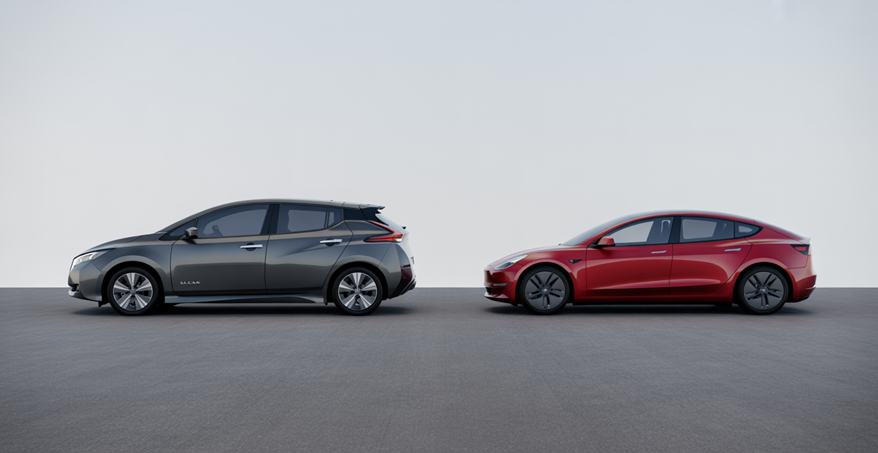
Compare the best used electric cars of 2025. Learn how to choose smart, save money, and avoid costly EV mistakes before you buy.
Shopping for a used electric car in 2025 can feel like a maze. With options ranging from affordable commuters to luxury EVs, it’s easy to get lost between flashy deals and hidden pitfalls. Whether you’re eyeing a used Tesla Model 3 or a dependable Nissan Leaf, understanding what truly matters can help you save thousands and drive away confident in your choice.
In this guide, we’ll break down how to compare the best used electric cars in the $20,000 to $35,000 range. You’ll learn how to evaluate battery health, maintenance costs, and key features, ensuring you get the most value for your money.
1. Start With the Right Budget Range
The $20k–$35k segment is the sweet spot for used EVs in 2025. In this range, you’ll find well-maintained vehicles with decent range, updated tech, and remaining battery warranties. Here’s what to expect:
-
$20k–$25k: Reliable entry-level EVs like the Nissan Leaf, Chevy Bolt EV, or Hyundai Kona Electric. Great for daily commutes and city driving.
-
$25k–$30k: Mid-range options such as the Kia Niro EV, Volkswagen ID.4, or older Tesla Model 3 trims. These offer better range and modern interiors.
-
$30k–$35k: Premium pre-owned EVs like the Polestar 2, Audi e-tron, or newer Tesla Model 3 models. Expect more power, range, and comfort.
2. Check Battery Health First
Battery health is the heartbeat of an electric car. Before signing anything, ask for a battery health report or have the car inspected by an EV specialist. Even small degradations can impact range and resale value.
Pro tip:
-
Look for less than 10% degradation compared to the original range.
-
Check for fast-charging history—frequent DC fast charging can accelerate battery wear.
-
Avoid EVs that have sat unused for long periods.
3. Compare Range vs. Real Needs
Range anxiety is real, but overestimating your needs can waste money. A 250-mile range might sound ideal, but if your daily drive is under 40 miles, a lower-range model could save you thousands.
Approximate ranges for popular used models:
-
Nissan Leaf (2019–2022): 150–226 miles
-
Chevy Bolt EV (2020–2023): 250–259 miles
-
Tesla Model 3 (2018–2021): 240–310 miles
-
Hyundai Kona Electric (2020–2023): 258 miles
Choose an EV that comfortably fits your lifestyle, not just one that looks good on paper.
4. Don’t Overlook Maintenance and Warranty
Electric cars cost less to maintain than gas vehicles, but that doesn’t mean zero costs. Focus on these key areas:
-
Battery warranty: Many EVs come with an 8-year or 100,000-mile battery warranty. Make sure it’s still active.
-
Brake system: Regenerative braking reduces wear, but check for corrosion or fluid issues.
-
Tires: EVs are heavier and can wear tires faster, especially performance models.
Maintenance costs are generally lower—typically $300 to $600 annually for most used EVs.
5. Compare Charging Options
Before buying, check where you’ll charge. If you have home charging, your options open up. If not, look for EVs compatible with fast-charging networks like Tesla Supercharger, Electrify America, or EVgo.
Charging speed tip:
-
Level 2 (home): 4–8 hours
-
DC Fast Charge (public): 30–45 minutes
A car with faster charging capability can save you time and reduce stress during road trips.
6. Features That Add Long-Term Value
When comparing used EVs, look beyond the sticker price. The right features can make a big difference in comfort and resale value.
Must-have features for 2025:
-
Advanced driver assistance (lane keep, adaptive cruise control)
-
Heat pump for better cold-weather efficiency
-
Wireless Apple CarPlay / Android Auto
-
Over-the-air updates for future-proofing
Tesla leads in software updates, but newer EVs from Hyundai, Kia, and Volkswagen are catching up fast.
7. Used Tesla vs. Nissan Leaf: The Classic Dilemma
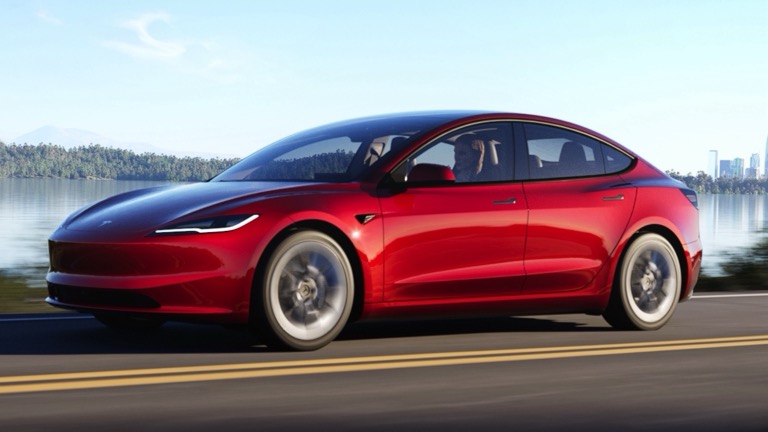
Tesla Model 3
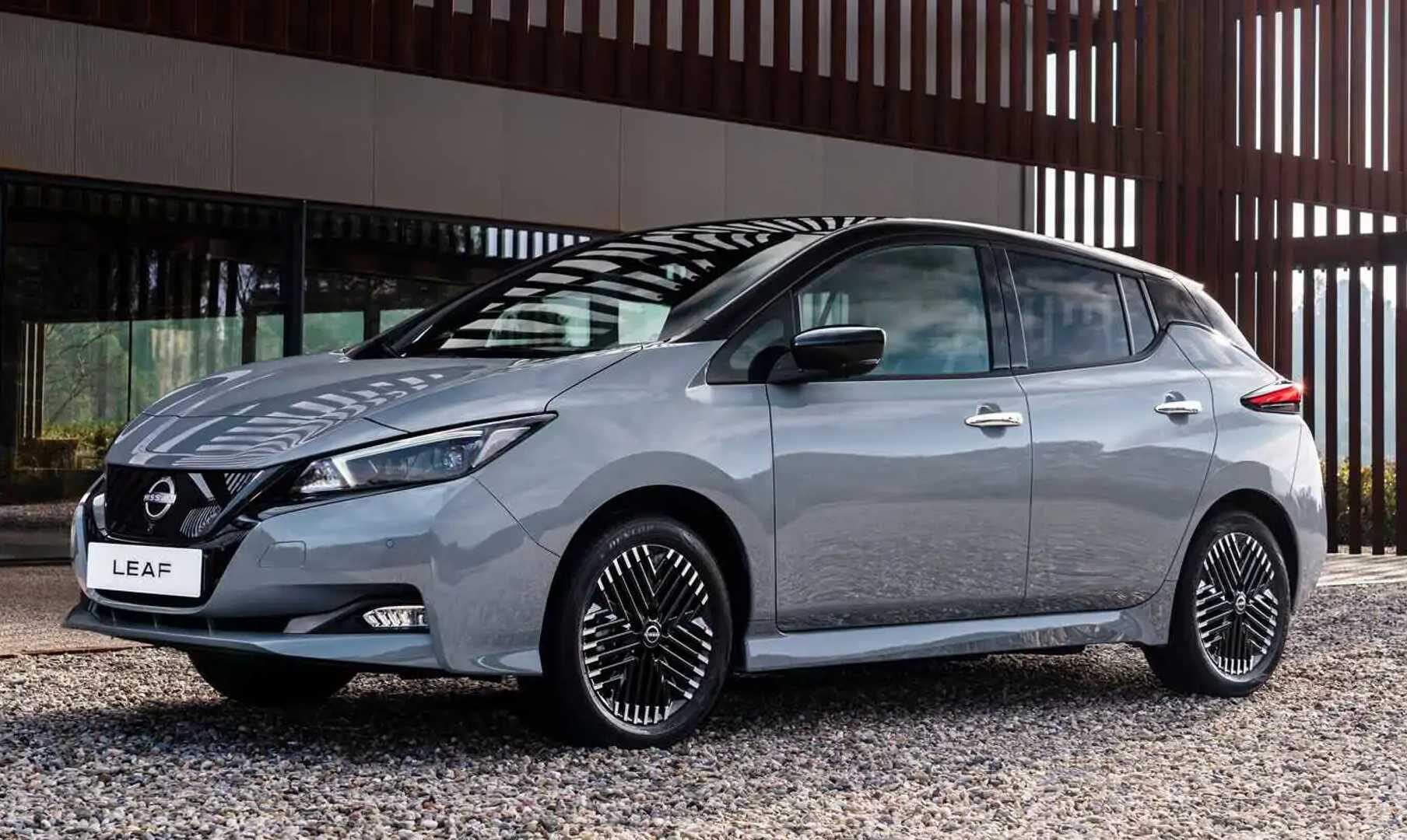
Nissan Leaf
If you’re torn between a used Tesla Model 3 and a Nissan Leaf, here’s the quick breakdown:
| Feature | Tesla Model 3 | Nissan Leaf |
|---|---|---|
| Range | Up to 310 miles | Up to 226 miles |
| Charging Network | Tesla Supercharger | CHAdeMO (limited) |
| Software Updates | Regular OTA updates | Limited |
| Price (Used 2025) | $28k–$35k | $18k–$25k |
| Maintenance Cost | Moderate | Low |
| Driving Experience | Sporty, tech-focused | Practical, smooth |
The Tesla is perfect for drivers who value technology and performance, while the Leaf is ideal for affordable, simple commuting.
8. Final Thoughts: Buy Smart, Not Impulsively
The used EV market in 2025 is stronger than ever. With more models available and better battery tech, it’s an excellent time to buy. Just remember: research, inspect, and compare before you commit.
Set your budget, check battery health, and focus on range and features that fit your lifestyle. By doing so, you’ll find an electric car that’s not only affordable but also reliable and ready for the road ahead.
Ready to make the switch?
Explore local listings, schedule test drives, and don’t rush the process. A smart used EV purchase today can bring years of efficient, eco-friendly driving without the regrets.