November 11, 2025
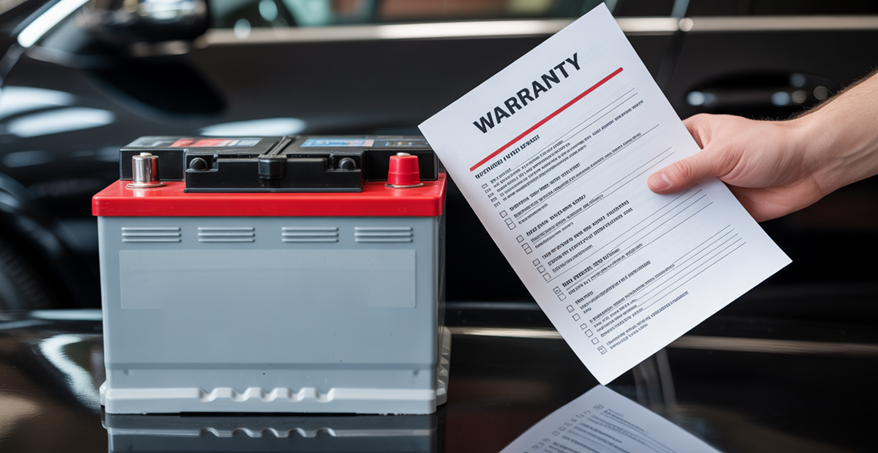
2025 guide to EV battery warranties. Capacity thresholds, exclusions, and claim steps explained with a brand-by-brand comparison.
If you are shopping an electric car, the EV battery warranty is the single most valuable promise you buy after range and price. It dictates how battery degradation coverage works, whether there is a capacity retention guarantee, and what happens if a cell fails.
Most brands market an 8 year EV warranty or similar, yet the fine print varies more than you think.
This clear, buyer friendly explainer shows what is usually covered, what often falls under EV warranty exclusions, and how to navigate a battery replacement policy without stress.
Quick glossary for first time EV buyers
-
Capacity retention guarantee: A brand’s promise that the pack will keep at least a stated percentage of its original usable capacity within the warranty window.
-
Degradation vs defect: Gradual capacity loss is degradation. A faulty module or BMS fault is a defect. Policies handle these differently.
-
Usable kWh: The energy you can actually draw. Warranty thresholds refer to usable capacity, not the theoretical pack size.
-
Term and mileage: Commonly 8 years and around 100,000 miles for many brands, sometimes longer on certain models.
What an EV battery warranty typically covers
-
Manufacturing defects in cells, modules, cooling system and battery management electronics.
-
Capacity loss beyond the stated floor if the brand lists a capacity retention guarantee. Many aim for a threshold around seventy percent, but the exact figure and test method can differ by model.
-
Software updates required to keep the pack healthy when the fix is part of the remedy for a covered issue.
-
Towing and diagnostics when the failure disables the vehicle and is later confirmed as a covered claim.
What is usually excluded
-
Normal, gradual battery degradation that stays above the capacity threshold for your term.
-
Damage caused by improper use, such as unauthorized modifications, flooding, or collision.
-
Wear from commercial use that exceeds limits set in the policy, for example certain rideshare or delivery operations.
-
Damage from non approved charging equipment or installation errors.
-
Lack of required maintenance where the brand specifies inspection intervals.
Brand by brand snapshot for the U.S. market
Use this table as a starting point. Exact coverage can vary by model year and trim. Always confirm the written warranty for the specific VIN before you buy.
| Brand | Typical term in 2025 | Capacity retention statement | Notable notes |
|---|---|---|---|
| Tesla | Commonly around 8 years with model specific mileage | Often references a capacity floor for select models | Terms differ by model and battery variant. |
| Ford | Commonly around 8 years and mileage cap | Often includes a stated capacity threshold | Check coverage for hybrid vs full EV packs. |
| General Motors | Commonly around 8 years and mileage cap | Often includes a capacity floor language | Ultium vehicles may have model specific details. |
| Hyundai | Often longer on select models than the segment norm | Frequently states a capacity threshold | Terms for original owner vs subsequent owner can differ. |
| Kia | Often similar to Hyundai with strong terms on select models | Frequently states a capacity threshold | Verify for PHEV vs BEV. |
| Nissan | Commonly around 8 years and mileage cap | Often ties to a capacity bar indicator | Leaf and Ariya may use different test methods. |
| Toyota | Commonly around 8 years for BEV and different rules for hybrids | Capacity language varies by model | Distinct coverage for hybrid traction batteries. |
| Volkswagen | Commonly around 8 years and mileage cap | Often includes a capacity floor | Check test procedure and state of charge conditions. |
| BMW | Commonly around 8 years and mileage cap | Often references a capacity threshold | Terms may vary between i4, i5, i7 and SUVs. |
| Mercedes Benz | Commonly long term coverage on select EQ models | Often includes a capacity floor | Higher mileage limits can apply to specific trims. |
| Volvo | Commonly around 8 years and mileage cap | Often includes a capacity floor | Polestar related models may have similar language. |
| Rivian | Commonly multi component coverage with battery specifics | Capacity language provided by model | Off road use rules may apply. |
| Lucid | Commonly premium segment terms | Capacity language provided by model | Service center availability can shape timelines. |
This brand grid helps you frame the conversation at the dealership and compare apples to apples before you sign.
How to read a capacity retention guarantee
Capacity testing is not as simple as a quick drive. Brands usually specify:
-
State of charge window for the test, often a controlled charge from low to high.
-
Temperature band during testing to reduce variance.
-
Vehicle settings such as climate off and tire pressure at spec.
-
Diagnostic tool or drive cycle required to measure usable kWh.
If your daily range feels lower, first capture repeatable data. Reset trip meters, log kWh added at the charger, and track weather. Consistent evidence will strengthen a claim if you fall below the guarantee.
The claim path that works
-
Document symptoms: screenshots of range estimates, photos of warnings, charge session logs, odometer and dates.
-
Visit an authorized service center: ask for a battery health report and a written diagnosis.
-
Request the warranty reference: section and page that apply to your case.
-
Ask about repair vs replacement: many policies allow module level repairs before full pack replacement.
-
Confirm loaner or towing: if the car is undrivable due to a covered issue, ask what support applies.
-
Keep all paperwork: invoices, logs and technician notes will help if you need to escalate.
Real world tips to avoid EV warranty exclusions
-
Charge smart: follow brand guidance on fast charging frequency and preferred daily charge limits.
-
Stay within software guidelines: avoid unsupported third party battery apps that change settings.
-
Protect from heat: shaded parking and preconditioning help limit thermal stress.
-
Use approved equipment: install a listed home charger and keep the permit or inspection record.
-
Do scheduled checkups: if the brand lists battery inspections, keep them on time.
FAQ for quick decisions
Is an 8 year EV warranty enough for most drivers
For typical mileage in the United States, yes. Many owners will cycle out of the vehicle before the term ends. If you plan to keep the car longer or drive high annual miles, seek brands that offer higher mileage caps on specific models.
Will a battery replacement policy give me a brand new pack
Often the first remedy is a module repair. Full pack replacement applies when repair cannot restore performance within spec.
Does fast charging void battery degradation coverage
Using approved DC fast chargers within the brand’s guidance does not void coverage. Excessive or non approved use can be considered misuse, so follow the owner recommendations.
What if I buy used
Warranties can transfer, but some perks are only for the first owner. Ask the seller for the original booklet and any battery health reports.
Treat the EV battery warranty like a safety net for the heart of your car. Look for clear capacity retention language, understand common EV warranty exclusions, and follow the claim steps in this guide. Do that and you will turn fine print into real world peace of mind throughout 2025 and beyond.