January 15, 2026
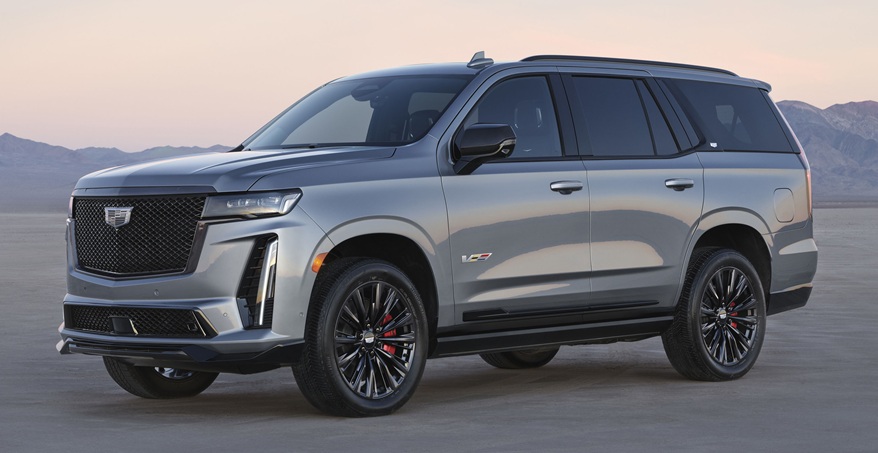
Uncover the hidden ownership costs of big SUVs in 2026 including fuel, insurance and maintenance to plan smarter.
Big SUVs continue to dominate the US market in 2026. They offer space, power, road presence, and a sense of security that many drivers love. However, behind the bold design and high driving position, there are ownership costs that often go unnoticed at the time of purchase.
If you are considering a full size or large midsize SUV, understanding these hidden expenses can help you make a smarter and more financially sound decision.
Fuel costs add up faster than expected
Fuel is one of the most underestimated expenses of big SUV ownership.
Why fuel expenses are higher in 2026
-
Larger engines consume more gasoline, even with modern efficiency improvements
-
Heavier vehicles require more energy in city driving
-
All wheel drive systems increase fuel consumption
-
Premium fuel is recommended for many higher trim models
With fuel prices remaining volatile, monthly fuel spending can be significantly higher than buyers initially project, especially for commuters or families with frequent road trips.
Insurance premiums are higher for big SUVs
Insurance is another cost that often surprises new owners.
What drives SUV insurance costs up
-
Higher vehicle value leads to higher replacement costs
-
Increased repair complexity due to sensors and driver assistance systems
-
Greater potential damage in collisions due to vehicle size and weight
-
Higher theft risk for popular SUV models
In 2026, insurance companies continue to adjust rates based on repair data and claim frequency. As a result, large SUVs typically cost more to insure than sedans or compact crossovers, even with clean driving records.
Maintenance and repairs are more expensive
Routine maintenance for big SUVs costs more over time.
Common maintenance cost factors
-
Larger tires that are more expensive to replace
-
Higher oil capacity and premium oil requirements
-
More complex suspension and braking systems
-
Advanced technology requiring specialized service
While modern SUVs are more reliable than ever, long term maintenance expenses increase as vehicles age, especially once warranties expire.
Tires and brakes deserve special attention
Many buyers do not factor tire and brake replacement into their budget.
Why these costs are higher
-
Bigger wheels mean higher tire prices
-
Performance oriented trims wear tires faster
-
Heavier vehicles place more stress on braking systems
A full set of tires for a large SUV in 2026 can represent a substantial expense, particularly if replacements are needed sooner due to driving habits or road conditions.
Depreciation can quietly drain value
Depreciation remains one of the biggest hidden costs of SUV ownership.
What affects depreciation
-
Rapid updates in technology and safety features
-
Rising interest in hybrid and electrified alternatives
-
Fuel efficiency concerns among future buyers
Some big SUVs retain value well, but others experience steeper depreciation than expected, impacting resale or trade in value down the road.
Are big SUVs still worth it?
Despite the hidden costs, big SUVs still make sense for many drivers.
They are ideal for:
-
Large families
-
Frequent towing needs
-
Long distance travel with passengers and cargo
-
Drivers prioritizing comfort and space
The key is entering ownership with realistic expectations and a complete financial picture.
How to plan smarter before buying
Before choosing a big SUV in 2026, consider these steps:
-
Estimate annual fuel spending based on real world driving
-
Request insurance quotes before purchasing
-
Review maintenance schedules and tire sizes
-
Compare depreciation trends across similar models
A well informed decision can save thousands of dollars over the life of the vehicle.
Final takeaway
Big SUVs deliver undeniable benefits, but their true cost goes far beyond the sticker price. Fuel, insurance, maintenance, and depreciation all play a critical role in long term affordability.
Understanding these hidden costs allows you to choose the right SUV, negotiate with confidence, and enjoy ownership without financial surprises. Smart planning today leads to better satisfaction tomorrow.