September 25, 2026
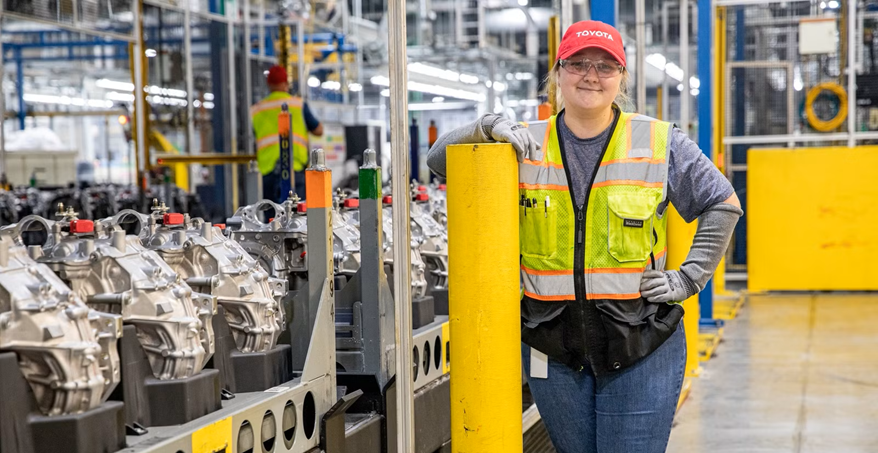
Toyota’s West Virginia facility marks 30 years in 2026 after growing into a major U.S. powertrain hub with more than 2,000 employees and roughly $3.3 billion invested
Toyota is celebrating a major manufacturing milestone in the United States. Its West Virginia powertrain facility has reached 30 years, highlighting three decades of expansion, new technology and a growing role in the automaker’s North American operations.
Located in Buffalo, West Virginia, the plant has evolved far beyond its original scope and today produces key components used across Toyota’s U.S. vehicle lineup. The anniversary also comes as the company continues expanding hybrid-related manufacturing in the country.
Toyota’s West Virginia Story Started In 1996
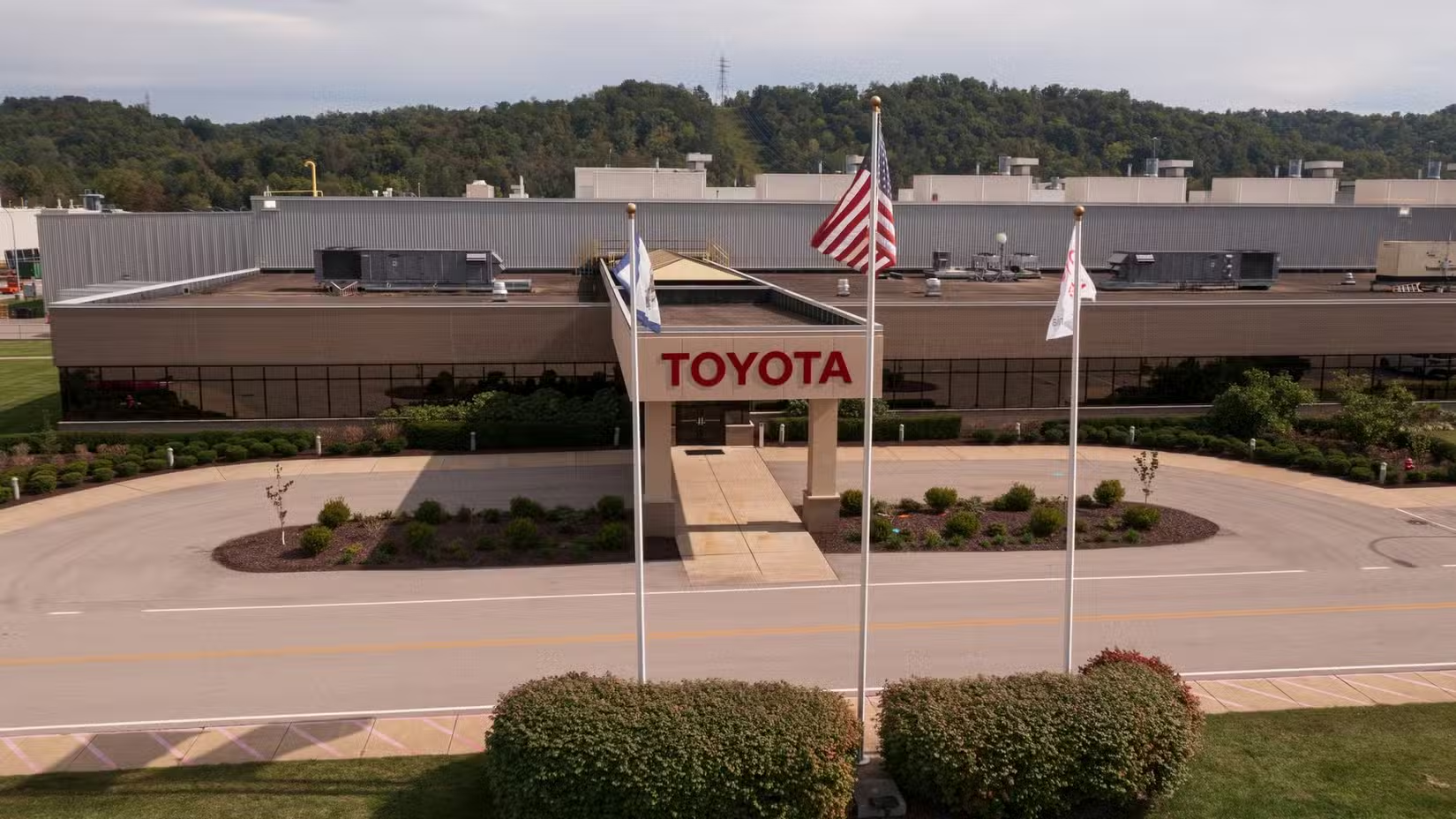
Toyota formally established its relationship with West Virginia in 1996, when the automaker selected the state for a new manufacturing operation focused on powertrain components.
Over the following three decades, the facility grew alongside Toyota’s U.S. production network.
Today, Toyota West Virginia employs more than 2,000 team members and represents approximately $3.3 billion in total investment.
That growth has turned the plant into an important supplier of engines, transmissions, transaxles and related components for vehicles assembled across North America.
Engines And Transmissions Remain At The Heart Of The Plant
Unlike a vehicle assembly plant, the West Virginia facility focuses primarily on the components that help move Toyota vehicles.
Its production includes engines, transmissions, transaxles and gears.
A transaxle combines transmission and axle-related functions into one unit and is commonly used in front-wheel-drive and hybrid vehicles.
Toyota West Virginia employees have described the facility as a key production center supplying components for multiple models sold across the U.S.
Hybrid Technology Is Becoming Even More Important
One of the biggest changes over the plant’s 30-year history has been its growing role in Toyota’s hybrid lineup.
Toyota has invested heavily in hybrid transaxle production at the West Virginia facility.
A hybrid transaxle helps manage power from both the gasoline engine and electric motor, allowing the two systems to work together efficiently.
The automaker previously announced hundreds of millions of dollars in investment to increase capacity for hybrid components, including fifth-generation hybrid transaxles.
That technology supports Toyota’s broader approach of offering electrified versions across an increasing number of vehicle segments.
Toyota Has Expanded Its U.S. Manufacturing Footprint
The West Virginia milestone is part of a larger year of anniversaries for Toyota in the United States.
In 2026, five Toyota manufacturing operations are celebrating major milestones:
Toyota Kentucky reaches 40 years, Toyota Missouri celebrates 35 years, while Toyota Indiana and Toyota West Virginia both mark 30 years. Toyota Alabama is celebrating its 25th anniversary.
Across the U.S., Toyota says it has invested more than $50 billion and supports approximately 48,000 manufacturing team members.
The company currently operates a broad production network covering vehicles, engines, drivetrain components and batteries.
The Plant Also Supports Toyota’s Most Popular Models
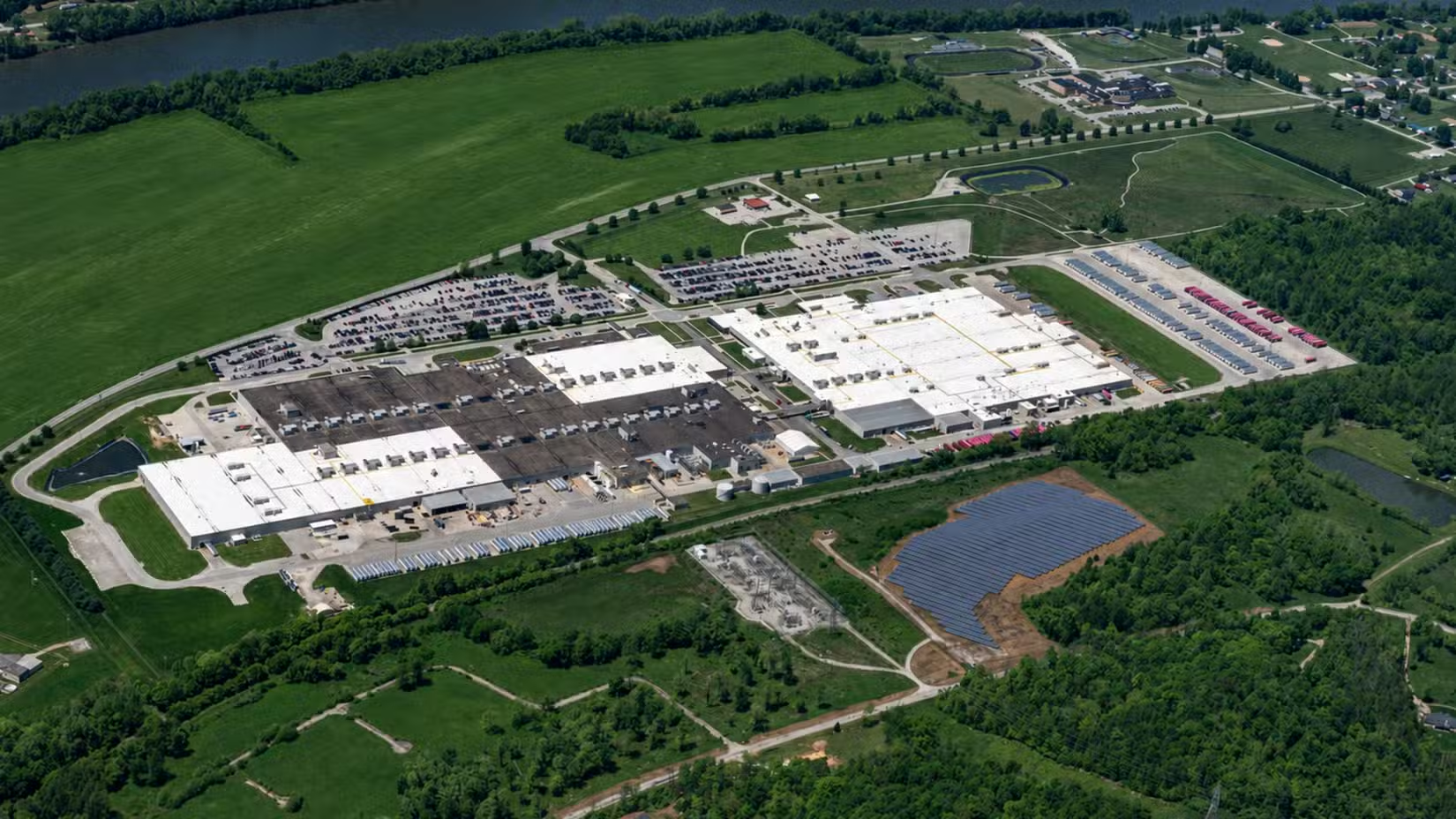
Powertrain plants may not receive the same attention as vehicle assembly factories, but their role is essential.
Engines and transmissions produced in the United States are used in Toyota vehicles assembled throughout North America, helping the automaker localize a larger portion of its manufacturing process.
That approach follows Toyota’s long-standing practice of building more vehicles and components close to the customers who purchase them.
As hybrid demand has expanded, plants such as West Virginia have also become increasingly important because they can produce both traditional powertrain components and newer electrified systems.
More Than $11 Million Has Gone Back Into The Community
Toyota’s impact in West Virginia also extends beyond vehicle production.
Over its three decades in the state, the company has invested more than $11 million in local community programs and organizations, according to Toyota.
Those investments have supported education, workforce development and other local initiatives.
For Toyota, the anniversary represents not only a manufacturing milestone but also a long-term relationship with the surrounding region.
Toyota West Virginia Enters Its Next Chapter
Thirty years after Toyota arrived in West Virginia, the facility has developed into one of the company’s key U.S. powertrain operations.
With more than 2,000 employees, roughly $3.3 billion invested and an expanding role in hybrid component production, the plant is positioned to remain important as Toyota continues adding electrified vehicles to its U.S. lineup.
The milestone also shows how much Toyota’s American manufacturing footprint has evolved since the mid-1990s, moving from conventional engines and transmissions toward a broader mix that now includes advanced hybrid systems.