September 4, 2026
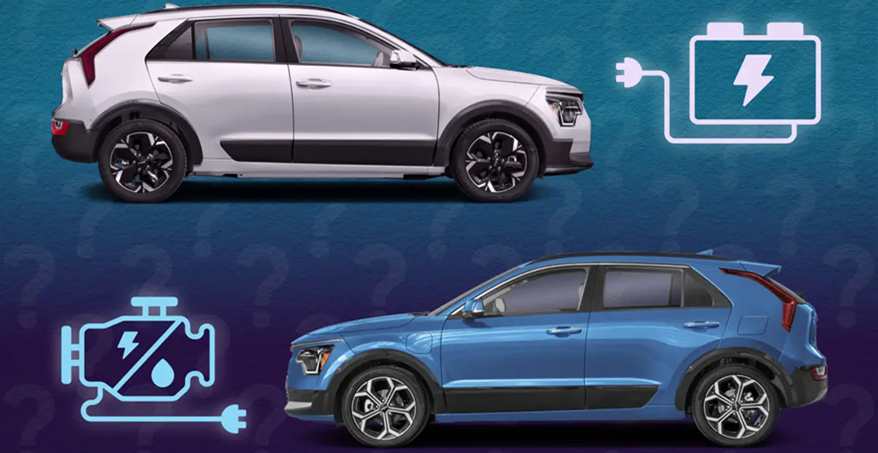
Electric cars, hybrids and plug-in hybrids offer different advantages, and the right choice depends on charging access, driving habits, range needs and ownership costs
Buying an electric vehicle, hybrid or plug-in hybrid has become one of the biggest decisions for drivers looking to reduce fuel use and add more efficiency to their daily routine.
All three technologies offer clear advantages, but they work in very different ways. The best option depends on factors such as daily mileage, home charging availability, road-trip frequency, local electricity prices and purchase budget.
Understanding how each system works can make choosing your next car much easier.
Electric cars offer a fully battery-powered experience
A fully electric vehicle, commonly known as an EV, runs exclusively on electricity. There is no gasoline engine, fuel tank or traditional oil-change schedule.
Instead, the vehicle uses a large battery pack to power one or more electric motors.
This setup can offer smooth acceleration, quiet operation and lower powertrain maintenance requirements. For drivers who can charge at home overnight, an EV can also be especially convenient for commuting.
Range has continued to improve across newer model years, making electric cars increasingly practical for everyday travel.
The key consideration is charging access. Drivers with a garage, driveway or reliable workplace charger are generally in the best position to take full advantage of an EV.
Hybrids combine gasoline and electric assistance
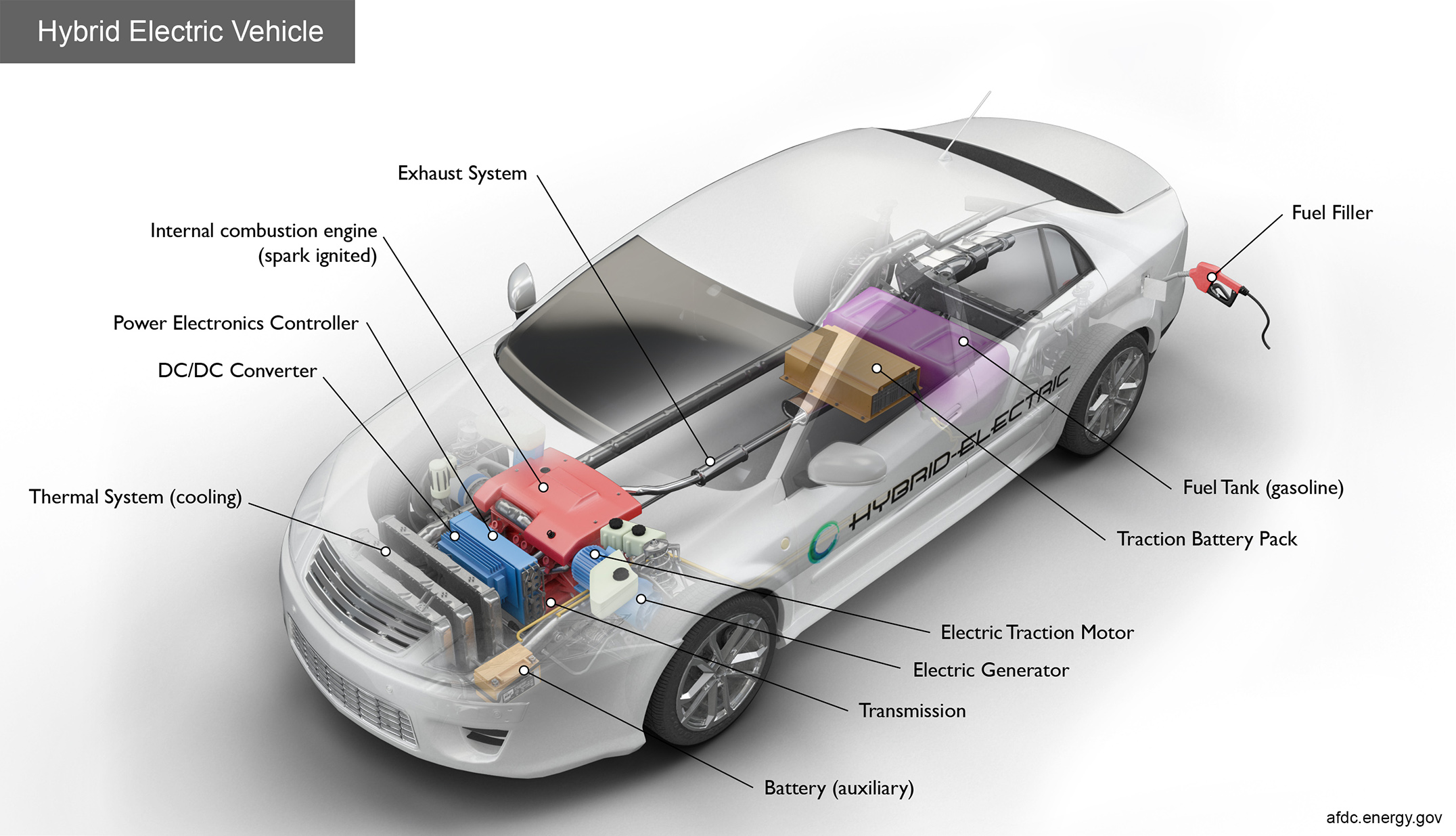
A hybrid vehicle uses both a gasoline engine and an electric motor, but it does not need to be plugged in.
The battery is recharged automatically while driving, primarily through regenerative braking and energy generated by the powertrain.
The electric motor assists the gasoline engine, helping improve efficiency and reduce fuel consumption.
Some hybrids can travel short distances using electric power alone, but their main purpose is to make the combustion engine work more efficiently.
This makes a traditional hybrid especially appealing to drivers who want better fuel economy without changing their refueling routine.
Plug-in hybrids bring electric driving and gasoline flexibility together
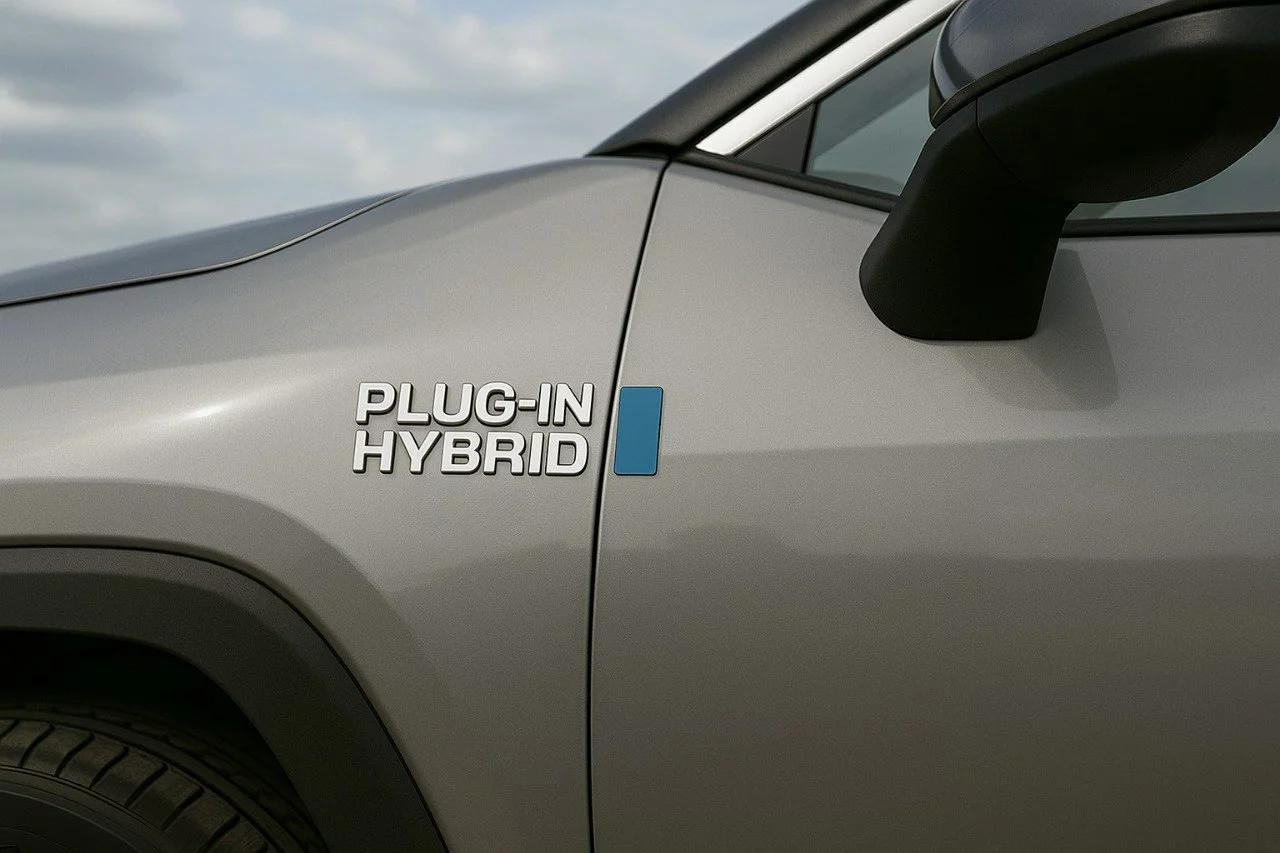
A plug-in hybrid electric vehicle, or PHEV, combines a rechargeable battery with a gasoline engine.
Unlike a regular hybrid, a PHEV can be connected to an external power source and driven for a limited distance using electricity alone.
Once the battery reaches its programmed level, the gasoline engine can continue powering the vehicle.
This combination gives drivers the opportunity to complete many daily trips using electric power while still having the convenience of gasoline for longer journeys.
For households with only one vehicle, a plug-in hybrid can offer an attractive balance between electric commuting and long-distance flexibility.
Your daily driving distance matters more than you may think
Choosing between an EV and a PHEV becomes easier when you know how far you typically drive each day.
For example, if your daily commute fits comfortably within a plug-in hybrid’s electric range, you may complete most weekday trips without using much gasoline.
With a fully electric car, overnight charging can restore enough range for the next day’s routine.
Modern EVs also offer increasingly longer driving ranges, which means many drivers may not require the largest battery available.
Matching the vehicle’s range to your actual driving habits can help keep both purchase price and charging needs more manageable.
Home charging can make EV ownership more convenient
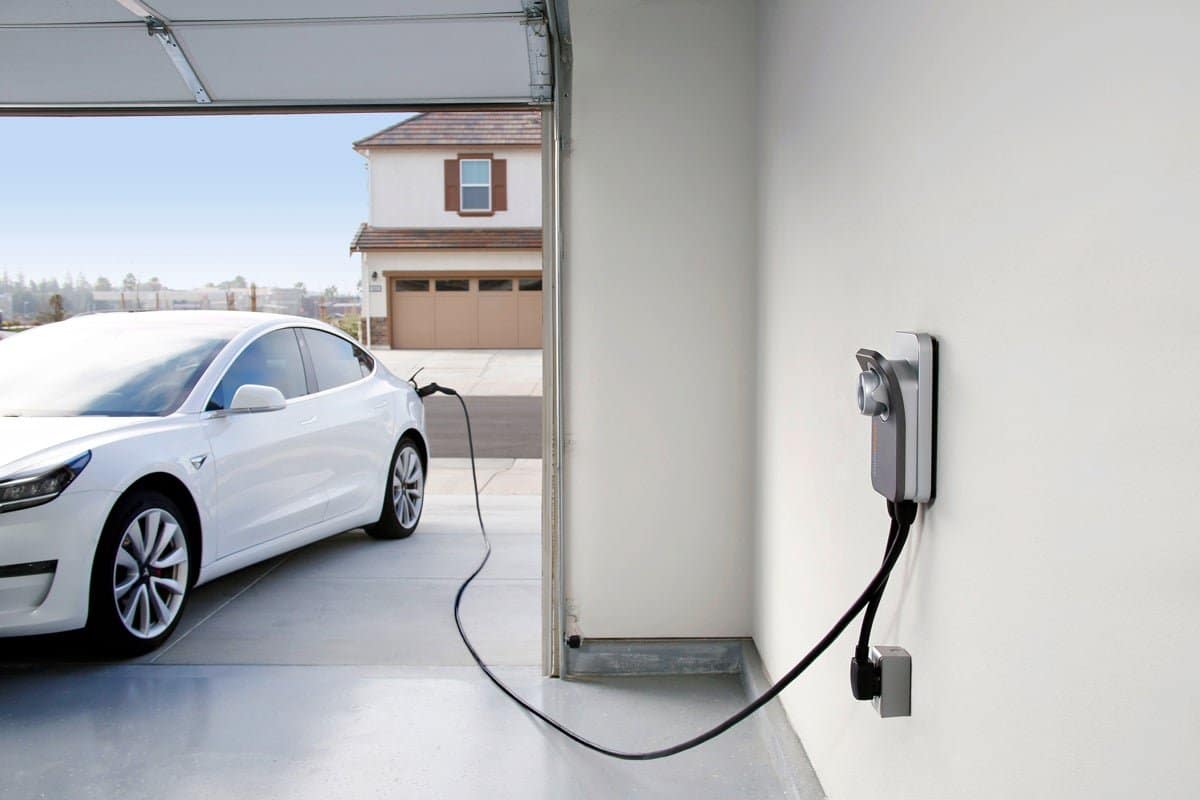
For many buyers, home charging is one of the most important parts of owning a plug-in vehicle.
A standard 120-volt household outlet can work for some plug-in hybrids because their batteries are relatively small. Fully electric cars generally benefit more from a 240-volt Level 2 charger.
Depending on the vehicle and electrical setup, Level 2 charging can add roughly 10 to more than 30 miles of range per hour.
Charging hardware itself typically costs around $200 to $1,000, while installation can range from several hundred dollars to a few thousand dollars depending on the home’s electrical system and charger location.
Drivers who already have an available 240-volt circuit may be able to reduce that initial expense.
Public charging is useful for longer journeys
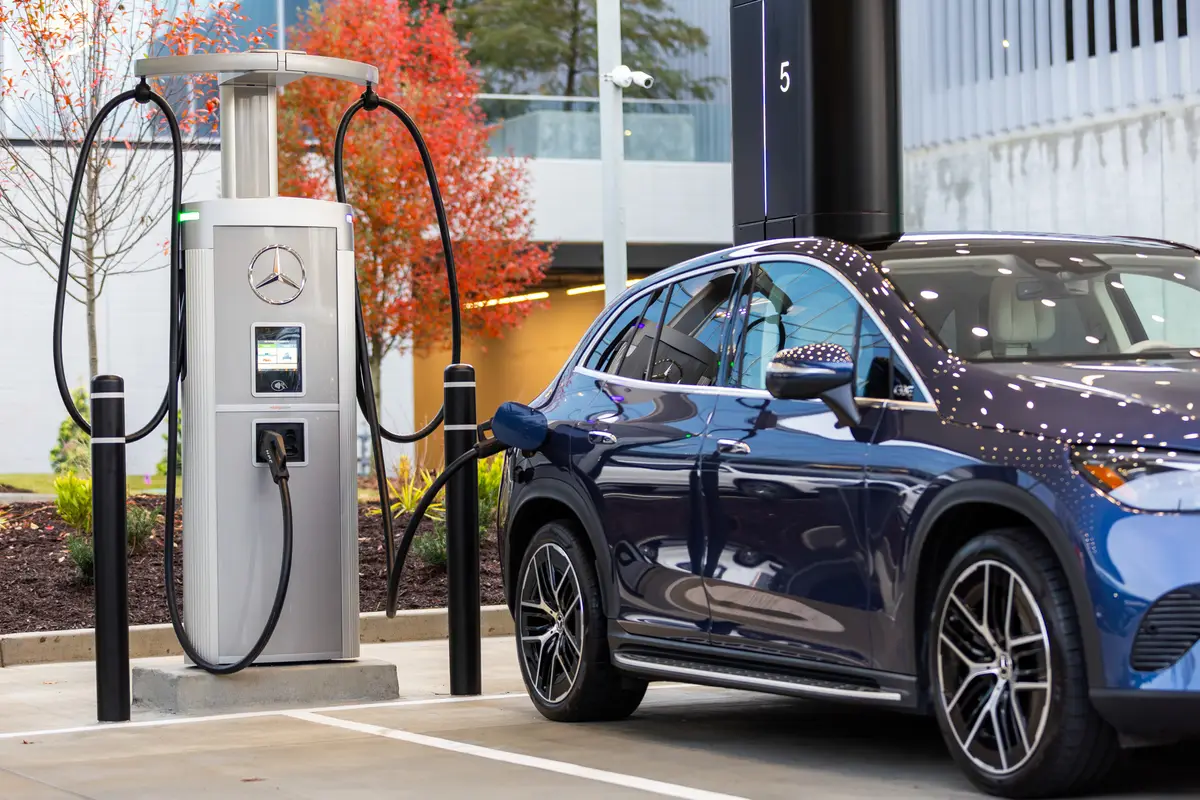
Public charging networks can make long-distance EV travel much more practical.
DC fast chargers can restore significant battery capacity much faster than Level 2 equipment, making them useful during road trips.
Still, charging takes longer than a traditional gasoline stop, which is why trip planning remains important for EV drivers.
Many newer electric vehicles now integrate charging locations into their navigation systems and can provide information about nearby stations and availability.
For daily use, however, regular charging at home or work can often provide the most convenient ownership experience.
Temperature can influence electric range
Weather is another factor worth considering when shopping for an electrified vehicle.
Cold temperatures can reduce battery efficiency and available driving range. Estimates referenced by AAA have shown that EV range can decline by roughly 40% at 20 degrees Fahrenheit, or about minus 7 degrees Celsius, depending on vehicle use and heating demand.
Very high or low temperatures can also affect charging speeds.
For buyers living in colder regions, selecting an EV with additional range can provide extra flexibility during winter months.
EV charging costs can be lower than gasoline expenses
The cost of driving on electricity varies by location, electricity rates and charging habits.
Home charging can often provide a lower cost per mile than gasoline, particularly when drivers charge during lower-rate periods.
Fully electric vehicles can also benefit from simpler powertrains, which means there is no engine oil to change and fewer traditional combustion-related components to service.
Hybrids and PHEVs may also reduce fuel expenses because their electric motors help limit gasoline consumption.
Actual savings will depend on local fuel prices, electricity rates, annual mileage and the purchase price of the vehicle.
Which electrified vehicle fits your lifestyle?
A traditional hybrid can work especially well for drivers who want improved fuel efficiency without relying on charging.
A plug-in hybrid can be a strong match for people who can charge regularly, drive relatively short distances during the week and still want gasoline power available for longer trips.
A fully electric vehicle can offer the greatest opportunity to minimize gasoline use, particularly for drivers with dependable home charging and predictable daily mileage.
The best choice ultimately comes down to how you use your vehicle. Evaluating range, charging access, energy costs, driving distance and purchase price can help you find an electrified car that fits naturally into your everyday routine.